The Importance of Marine Scientific Research for Our Planet’s Future
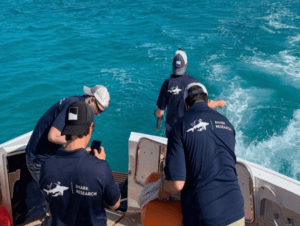
The ocean covers more than 70% of our planet and is home to an incredible diversity of life. Yet, despite its vastness and importance, much of the ocean remains unexplored. Marine scientific research plays a crucial role in understanding and preserving marine ecosystems, ensuring a sustainable future for our planet.
Why Marine Scientific Research Matters
Marine ecosystems are delicate and complex, influenced by factors like climate change, pollution, and overfishing. Scientific studies help us understand how these ecosystems function, how they are changing, and what can be done to protect them. Through ocean research, scientists can make informed decisions to support conservation efforts and sustainable practices.
Preserving Marine Ecosystems for Future Generations
Healthy oceans are essential for biodiversity, climate regulation, and human livelihoods. Research helps us monitor and preserve fragile environments, ensuring that marine species and habitats are protected for future generations. Some critical areas of marine scientific research include:
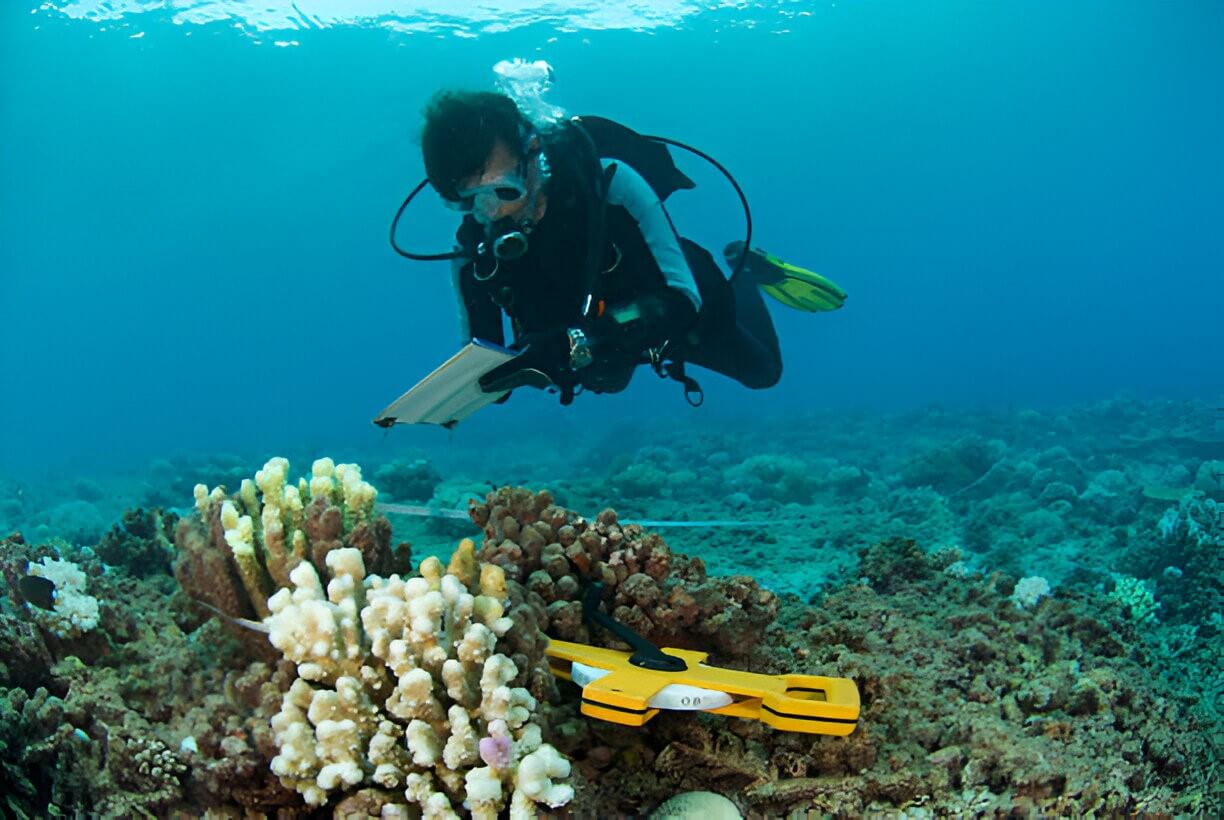
- Coral Reef Studies – Scientists examine the impact of rising ocean temperatures on coral reefs and develop methods to restore damaged reefs.
- Marine Pollution Research – Studies on plastic waste and chemical pollutants help create strategies to reduce contamination in marine environments.
- Fisheries Management – Research guides sustainable fishing practices, preventing the overexploitation of marine species.
- Deep-Sea Exploration – Much of the ocean remains uncharted, and deep-sea research uncovers new species and ecosystems that could hold the key to medical or technological breakthroughs.

The Role of Marine Scientific Research in Climate Change
Climate change and oceans are deeply connected. Rising global temperatures are causing ocean acidification, sea level rise, and extreme weather events. Scientists study these changes to predict future trends and develop strategies to mitigate their impact. Some key areas of research include:
- Ocean Acidification – Higher carbon dioxide levels lead to increased acidity, which affects marine life, particularly shellfish and coral reefs.
- Melting Polar Ice – Research in polar regions helps scientists understand how melting ice caps contribute to rising sea levels and ocean circulation changes.
- Carbon Sequestration – The ocean absorbs a significant amount of carbon dioxide from the atmosphere, and studying this process is crucial for developing climate solutions.
How You Can Support Marine Scientific Research
While marine research is conducted by experts, individuals can play a role in supporting these efforts. Here are a few ways you can contribute:
- Stay Informed – Learn about the latest scientific discoveries and ocean conservation initiatives by following reputable sources.
- Support Research Organizations – Donate or volunteer with organizations that conduct environmental studies and marine research.
- Adopt Sustainable Practices – Reduce plastic waste, make sustainable seafood choices, and minimize your carbon footprint.
- Advocate for Policies – Support legislation that promotes marine conservation and environmental protection.
Advancing Research for a Sustainable Future
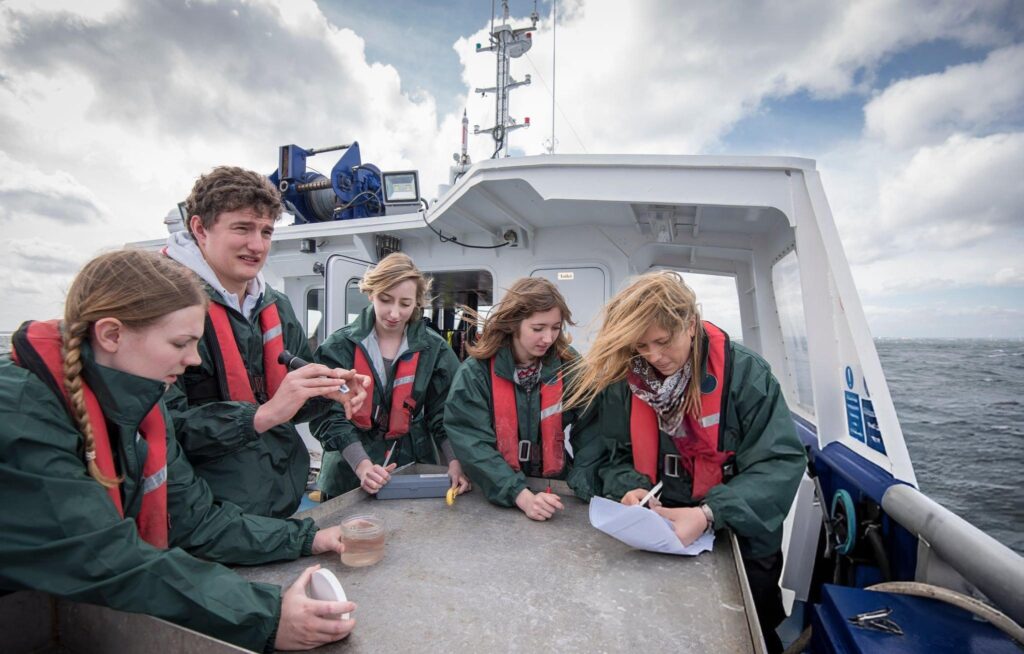
Scientific discovery in marine environments not only helps protect the ocean but also benefits humanity in unexpected ways. From new medicines derived from marine organisms to innovative technologies inspired by aquatic life, marine scientific research has the potential to drive progress in multiple fields.
If you’re interested in learning more about ongoing ocean research and conservation efforts, visit our Ocean Research page. To understand our broader mission and how we contribute to marine studies, check out Our Mission page. Together, we can ensure a healthier ocean and a more sustainable future for all.
FAQs on Marine Scientific Research
Why is marine scientific research important?
Marine research helps us understand ocean ecosystems, monitor climate change effects, and develop conservation strategies to protect marine life and ensure a sustainable future.
How does marine research contribute to climate change solutions?
Studies on ocean acidification, melting polar ice, and carbon sequestration provide insights into how the ocean regulates the climate and help create strategies to mitigate global warming.
What are some key areas of marine scientific research?
Major areas include coral reef restoration, marine pollution control, sustainable fisheries management, and deep-sea exploration, which all contribute to ocean conservation.
How can individuals support marine scientific research?
You can support research efforts by staying informed, donating to marine research organizations, adopting sustainable habits, and advocating for ocean-friendly policies.
How does marine research benefit humanity beyond ocean conservation?
Discoveries from marine research lead to medical advancements, innovative technologies, and sustainable resource management, benefiting multiple industries and human health.
Support Marine Research for a Sustainable Future
Join the movement for ocean conservation! Explore how you can contribute to marine research efforts and sustainable ocean practices. Visit our Ocean Research page today and be part of the change!