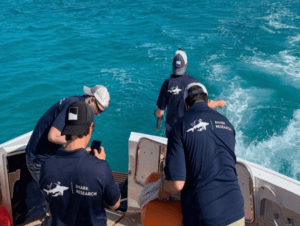
The ocean is often described as the planet’s silent regulator, constantly working behind the scenes to balance Earth’s climate. Yet, most of its processes remain hidden beneath the surface. Through ocean exploration, scientists are uncovering how deeply connected the seas are to global weather patterns, rising temperatures, and long-term environmental change.
At Seas Your Dreams, we focus on making marine science more accessible and meaningful. Every expedition into the ocean is not just about discovery, it is about understanding the future of our planet through ocean climate research and protecting the systems that sustain life on Earth.
The Ocean as Earth’s Climate Engine
The ocean plays a central role in regulating Earth’s climate. It absorbs heat from the atmosphere, distributes it through currents, and stores vast amounts of carbon dioxide. Without this balancing system, global temperatures would rise much faster and become far less stable.
Through ocean exploration, scientists study how these processes work in real time. Research vessels and satellites track ocean currents, temperature shifts, and changes in sea level to understand how energy moves across the planet. These observations help reveal how oceans influence weather systems far beyond coastal regions.
In ocean climate research, even small changes in ocean temperature can signal larger shifts in global climate patterns. This makes continuous monitoring essential for predicting long-term environmental changes.
Support Ocean Discovery Missions
Ocean Temperature Monitoring and Climate Signals
One of the most important aspects of ocean exploration is tracking ocean temperature at different depths. The ocean does not warm evenly, and these variations play a major role in shaping climate systems.
Scientists use advanced instruments to measure surface and deep-water temperatures across different regions. These readings help identify warming trends that may influence hurricanes, monsoons, and global weather cycles.
In ocean climate research, temperature data is combined with salinity and current patterns to build detailed climate models. These models help researchers predict how ocean behavior may change in the future and how it will impact global ecosystems.
Marine Ecosystems as Climate Indicators
Marine ecosystems are closely connected to climate health. Coral reefs, plankton communities, and fish populations all respond quickly to environmental changes. Through ocean exploration, scientists study these ecosystems to understand how climate change is affecting marine biodiversity.
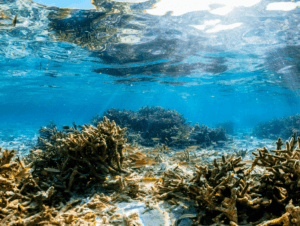
Coral reefs are especially important because they are highly sensitive to temperature shifts. Even slight warming can lead to coral stress, which affects thousands of species that depend on reef habitats.
Plankton, on the other hand, forms the foundation of the marine food chain. In ocean climate research, changes in plankton populations can indicate shifts in ocean productivity and carbon cycling, both of which are critical to understanding climate systems.
Deep-Sea Research and Hidden Climate Processes
Much of Earth’s climate system is influenced by processes that occur deep beneath the ocean surface. Through advanced ocean exploration, scientists are now able to study deep-sea environments that were previously inaccessible.
These deep regions store heat and carbon, making them essential in regulating long-term climate stability. Research submarines and autonomous vehicles collect data from extreme depths, revealing how deep currents transport heat across the planet.
In ocean climate research, this deep-sea data is combined with surface observations to create a complete picture of how the ocean interacts with the atmosphere over time.
Environmental Changes Observed Through Ocean Study
The ocean reflects many signs of environmental change. Rising sea levels, shifting currents, and altered marine migration patterns all indicate changes in global climate systems.
Through ocean exploration, scientists track these changes across different regions of the world. Long-term observations show how warming oceans affect storm intensity, coastal erosion, and marine habitat distribution.
In ocean climate research, these findings help identify patterns that connect ocean behavior with atmospheric changes, allowing researchers to better understand the pace and impact of climate change.
Donate for Ocean Climate Research
Challenges in Understanding Ocean-Climate Connections
Studying the ocean is one of the most complex areas of climate science. In ocean exploration, researchers face challenges such as unpredictable weather, limited access to deep regions, and the vast scale of the ocean itself.
Data collection can be difficult because the ocean is constantly changing. Currents, temperature shifts, and seasonal variations all influence measurements, requiring continuous monitoring over long periods.
In ocean climate research, interpreting this data requires careful analysis to separate natural variability from long-term climate trends. This makes ocean science both challenging and essential for accurate climate prediction.
Why Ocean Exploration Is Crucial for Climate Solutions
The importance of ocean exploration goes beyond scientific curiosity. Oceans directly influence global climate stability, making them essential for developing climate solutions.
Through ocean climate research, scientists are able to improve climate models, predict extreme weather events, and understand carbon absorption in marine systems. These insights help governments and environmental organizations make informed decisions about climate action.
Without ocean-based data, many climate predictions would be incomplete, highlighting the critical role of ocean science in global environmental planning.
The Role of Seas Your Dreams in Ocean Climate Awareness
At Seas Your Dreams, we are committed to supporting awareness around ocean exploration and its role in understanding climate change. We believe that the ocean holds key answers to the planet’s future, and every research effort brings us closer to those answers.
We actively promote ocean climate research initiatives that help scientists study marine systems and share their findings with the world. By connecting people with ocean science, we aim to build a stronger understanding of how deeply the ocean influences life on Earth.
Our mission is to encourage education, exploration, and responsibility when it comes to protecting marine environments.
Conclusion: The Ocean and Our Climate Future
The ocean is not separate from Earth’s climate system, it is its foundation. Through continuous ocean exploration, scientists are uncovering how ocean currents, temperatures, and ecosystems shape the global environment.
Ocean climate research plays a vital role in understanding these connections and predicting future changes. It provides the knowledge needed to protect both marine and human life in a changing world.
As climate challenges continue to grow, the need for ocean science becomes even more important. Protecting the ocean means protecting the planet itself.
Your donation supports research, conservation, and marine protection.