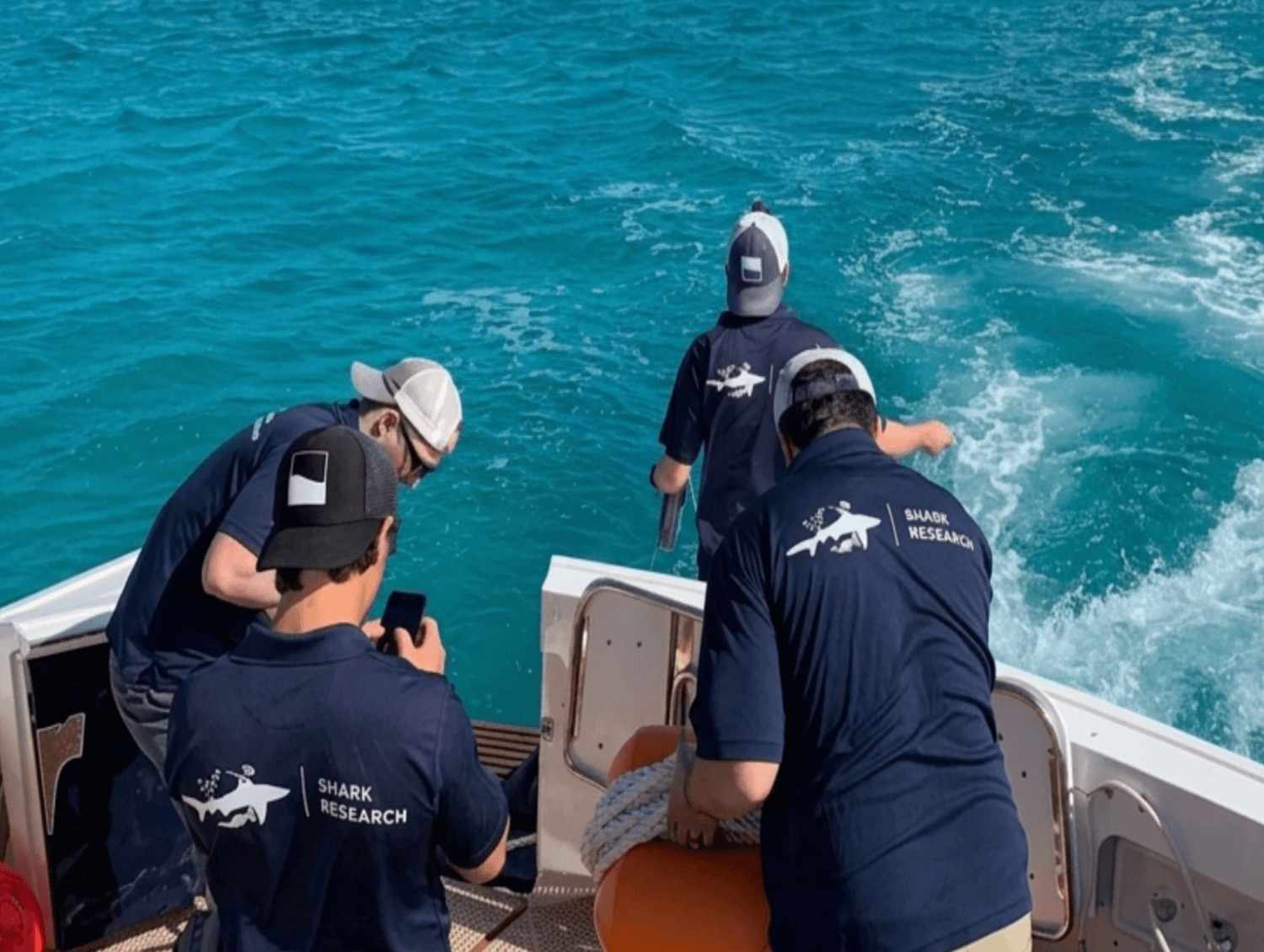
When people look out at the ocean, they often see calm waves and endless blue water. But for scientists involved in ocean research, that surface hides an active world of discovery, data, and continuous observation. Every mission at sea is a carefully planned journey into marine ecosystems where researchers work to understand how oceans function and how they are changing over time.
At Seas Your Dreams, we focus on making marine science more visible and meaningful. Behind every expedition, there is a story of dedication, patience, and a deep commitment to ocean conservation research that helps protect life beneath the waves.
Setting Sail: Where Every Mission Begins
Every ocean research mission begins long before the ship leaves the harbor. Scientists first define research goals, select ocean zones for study, and prepare instruments that will collect data across different marine environments. Once everything is ready, the vessel becomes a moving laboratory heading into open water.
As the coastline fades, the ship enters a world where everything depends on the sea. Inside, scientists prepare sampling stations, calibrate sensors, and organize shifts that run day and night. The ocean becomes the central focus of every activity, and each moment is dedicated to understanding marine conditions in real time.
During ocean conservation research, this early phase is critical because it sets the foundation for all observations that follow. The accuracy of planning directly affects the quality of scientific insights gathered at sea.
Support Ocean Science Today – Protect Marine Life Beneath the Waves
Life Onboard: Working with the Rhythm of the Sea
Once the mission is underway, life onboard follows the natural rhythm of the ocean. In ocean research, there are no fixed days in the traditional sense. Instead, work is divided into shifts so that data can be collected continuously, even during the night.
Scientists move between decks and onboard labs, collecting water samples from different depths and recording environmental changes. Every sample provides important information about temperature, salinity, oxygen levels, and microscopic marine life. These small details help build a complete understanding of marine ecosystems.
At the same time, researchers observe surface activity such as fish movement, seabird patterns, and shifting currents. In ocean conservation research, these observations help connect surface behavior with deeper underwater processes, creating a clearer picture of ocean health.
Tools and Technology Driving Ocean Discovery
Modern ocean research depends heavily on advanced technology that allows scientists to explore areas once thought unreachable. Ships carry sophisticated instruments designed to measure, map, and monitor ocean conditions with high precision.
Underwater drones capture real-time footage from deep-sea environments, revealing coral structures and marine habitats that are rarely seen. Sonar systems map the seafloor in detail, showing underwater mountains, trenches, and ecosystems. CTD instruments measure conductivity, temperature, and depth, providing essential data about water conditions at different levels.
In ocean conservation research, satellites and remote sensors also play an important role by tracking ocean surface changes and detecting long-term environmental patterns. Together, these tools help scientists turn the vast ocean into a readable, data-rich environment.
Understanding Marine Life in Its Natural Habitat
A major part of ocean research focuses on studying marine life in its natural environment. Scientists observe coral reefs, fish populations, and plankton communities to understand how ecosystems are structured and how they respond to environmental changes.
Plankton, though microscopic, plays a critical role in ocean ecosystems. In ocean conservation research, studying plankton helps scientists understand the foundation of the marine food chain. Any change in their population can have a ripple effect across entire ocean ecosystems.
Coral reefs are also closely monitored because they are highly sensitive to temperature changes and water quality. These underwater structures support thousands of marine species, making them essential indicators of ocean health.
Environmental Changes and Ocean Challenges
One of the main goals of ocean research is to understand how environmental changes are affecting marine ecosystems. Oceans are constantly influenced by climate patterns, human activity, and natural processes, all of which interact in complex ways.
Researchers in ocean conservation research study rising sea temperatures, changes in marine migration patterns, and the condition of coral reef systems. These observations help identify long-term environmental trends that may not be visible from the shore.
Pollution and habitat disruption are also major concerns. By analyzing water samples and marine life behavior, scientists can detect early signs of ecosystem stress and work toward solutions that support ocean recovery.
Every effort helps preserve fragile ocean ecosystems for the future.
Challenges Faced During Ocean Missions
Working at sea is one of the most demanding environments for scientific study. In ocean research, teams often face unpredictable weather, strong ocean currents, and equipment limitations that require constant attention and problem-solving.
Communication with land-based stations can be limited, and the vast distance from shore adds complexity to every operation. Despite these challenges, researchers remain focused because every collected dataset contributes to ocean conservation research and long-term environmental understanding.
The ocean itself presents the greatest challenge due to its size and depth. Even with advanced technology, much of the deep sea remains unexplored, leaving scientists with both answers and new questions after every expedition.
Why Ocean Research Is Essential for the Planet
The importance of ocean research goes far beyond scientific exploration. Oceans regulate global climate systems, support biodiversity, and provide essential resources for life on Earth. Understanding how these systems work is crucial for maintaining environmental balance.
Through ocean conservation research, scientists can track ecosystem changes, protect marine species, study ocean chemistry, and develop strategies for sustainable ocean use. These efforts help ensure that marine environments continue to support life for future generations.
Without continuous research, many of these changes would remain invisible until their impact becomes irreversible.
The Role of Seas Your Dreams in Ocean Exploration
At Seas Your Dreams, our mission is to support and promote awareness around ocean research and marine science. We believe that sharing knowledge about the ocean is the first step toward protecting it.
We work to highlight the importance of ocean conservation research and encourage greater public involvement in marine protection efforts. Through education and awareness, we aim to connect people more deeply with the ocean and its ecosystems.
Every research mission contributes to a broader effort to understand and preserve the oceans, ensuring that marine life continues to thrive.
Conclusion: Protecting What Lies Beneath the Waves
Behind every expedition lies a story of dedication, science, and discovery. Ocean research is not just about collecting data it is about understanding the living systems that sustain life on Earth.
As environmental challenges continue to grow, the need for ocean conservation research becomes more urgent than ever. Protecting marine ecosystems requires continuous study, responsible action, and global cooperation.
The ocean is vast and powerful, but also fragile. Through ongoing exploration and shared responsibility, we can ensure its protection for future generations.
To support this mission, continuous funding is essential, because every step at sea brings us closer to understanding and preserving the world’s oceans.
Your support helps unlock discoveries that protect our oceans for generations.