The ocean is the largest and most unexplored environment on Earth. Covering more than two-thirds of the planet, it holds extraordinary biodiversity, complex ecosystems, and valuable scientific insights that influence our global environment. Yet despite its importance, ocean research often receives far less attention and fewer resources compared to many other scientific fields. Expanding research efforts and strengthening global collaboration are essential for protecting marine ecosystems and ensuring a sustainable future for our seas.
Supporting organizations dedicated to ocean exploration and conservation, such as Seas Your Dreams, plays a key role in advancing scientific discovery and protecting marine life. Through initiatives that fund ocean research and promote education in marine science, these efforts help expand our understanding of the seas and the ecosystems that depend on them.
Even with its critical role, ocean research remains underfunded, and time is running out to address critical environmental challenges.
Donate today to support vital ocean research and conservation efforts.
The Ocean Remains Largely Unexplored
Although the ocean plays a critical role in Earth’s environmental balance, scientists estimate that a vast portion of the deep-sea remains unexplored. Large areas of the seafloor have never been mapped in detail, and countless marine species are still unknown to science.
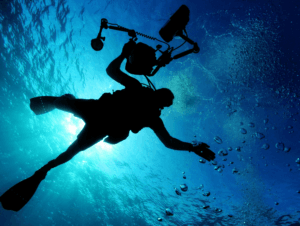
Ocean research missions are helping scientists explore deep trenches, underwater mountain ranges, and coral ecosystems that exist far below the surface. These discoveries expand our understanding of marine biodiversity and reveal how ocean ecosystems function.
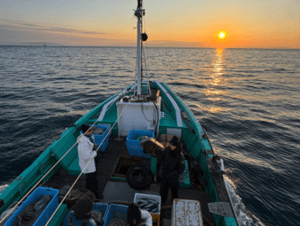
However, exploring the deep-sea requires specialized equipment, research vessels, and advanced technologies. Without stronger international support and collaboration, many potential discoveries and conservation opportunities may remain out of reach.
Every unexplored region represents lost knowledge and missed opportunities for conservation. With stronger support, these discoveries can become possible.
What Your Donation Supports
Many people want to help but don’t always see how their contribution creates real impact.
- $50 supports student workshops in ocean education
- $100 helps fund essential field research tools
Every contribution directly supports research, education, and conservation efforts led by Seas Your Dreams.
Understanding Marine Ecosystems
Marine ecosystems are deeply interconnected. Coral reefs, seagrass beds, mangrove forests, and deep-sea habitats work together to support diverse marine life. Ocean research helps scientists study these ecosystems, track environmental changes, and identify threats to marine biodiversity.
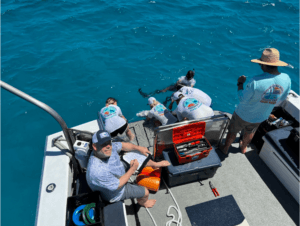
Field studies and oceanographic data collection allow researchers to monitor water conditions, map habitats, and observe the behavior of marine species. These insights help conservationists design more effective strategies to protect vulnerable ecosystems.
For example, long-term monitoring of coral reefs has revealed how sensitive these ecosystems are to environmental changes. By studying reef systems, scientists gain a better understanding of how marine habitats respond to shifting ocean conditions and how conservation efforts can help preserve them.
Protecting Marine Wildlife
Marine wildlife depends on healthy oceans to survive. Many species, including whales, sea turtles, sharks, and deep-sea organisms, rely on specific habitats for feeding, migration, and reproduction.
Ocean research provides the data needed to protect these species. Satellite tagging, underwater observation systems, and acoustic monitoring allow scientists to track animal movements and understand migration routes across vast ocean regions.
This information helps guide the creation of marine protected areas and informs policies that safeguard critical habitats. Without continued research funding, protecting these species becomes significantly more difficult.
Addressing Environmental Challenges in the Ocean
The ocean faces numerous environmental pressures, including pollution, habitat loss, and changes in ocean chemistry. Scientific research helps identify the causes of these challenges and provides evidence-based solutions for protecting marine ecosystems.
Researchers study ocean currents, water temperature trends, and the distribution of pollutants to understand how these factors influence marine life. These findings support global conservation initiatives and encourage responsible environmental management.
Improving our understanding of ocean systems also helps scientists develop strategies that promote coastal sustainability and protect important habitats such as mangrove forests and seagrass meadows. These challenges are accelerating, making immediate action more important than ever.
The Role of Technology in Ocean Science
Modern ocean research relies on advanced technologies that allow scientists to observe and analyze marine environments in ways that were once impossible. Autonomous underwater vehicles, remotely operated submersibles, and satellite monitoring systems now provide detailed insights into deep-sea ecosystems.
Genetic sampling techniques, such as environmental DNA analysis, allow researchers to identify marine species simply by examining traces of DNA found in seawater. This method provides a powerful way to study biodiversity without disturbing marine wildlife.
These technologies are expanding the boundaries of ocean exploration and enabling scientists to collect more accurate data about life beneath the waves. However, access to these advanced technologies depends heavily on financial support and sustained investment.
Global Collaboration for Ocean Conservation
Protecting the ocean requires cooperation across countries, institutions, and communities. Marine ecosystems do not follow national boundaries, and many species migrate across vast ocean regions. Because of this, international collaboration is essential for effective ocean conservation.
Research partnerships, shared data networks, and global monitoring initiatives help scientists better understand the interconnected nature of marine ecosystems. When organizations, researchers, and conservation groups work together, they can create stronger strategies for protecting the ocean.
Collaborative initiatives supported by Seas Your Dreams focus on bringing scientists, educators, and communities together to expand ocean knowledge and promote responsible marine stewardship. Strong collaboration is only possible when resources are available to support shared research and global initiatives.
Investing in the Future of Our Oceans
Ocean research is not just about discovery; it is about responsibility. The knowledge gained from marine science helps guide conservation policies, protect wildlife, and support sustainable ocean management.
When people support organizations dedicated to ocean science, they contribute to research that protects marine ecosystems for future generations. Every research expedition, field study, and conservation program adds valuable knowledge that strengthens our ability to care for the ocean.
Ocean research is not just about discovery, it is about protecting the future of our planet. Every contribution helps fund critical research, support scientists, and protect marine ecosystems.
Donate today to support ocean research and conservation. Your generosity can create real impact before it is too late for our oceans. For many students, this is a once-in-a-lifetime opportunity. Without support, these life-changing experiences simply would not exist.
$50 supports student workshops in ocean education.
$100 helps fund essential field research tools.