The ocean is one of the most fascinating and vital environments on Earth. Covering more than 70% of the planet, it supports diverse marine ecosystems, regulates natural environmental cycles, and provides habitats for countless species. Yet much of the ocean remains unexplored, creating an ongoing need for research, conservation, and innovation. One of the most powerful ways to ensure the future of our oceans is by inspiring young minds through ocean-focused STEM education.
For many students, access to ocean education is not guaranteed. Without support, countless young minds never get the chance to explore, learn, or pursue careers in marine science. This is where meaningful action becomes critical.
Just $50 can support a student workshop, and $100 can provide essential field research tools. These contributions directly open doors for future ocean scientists.
Ocean STEM programs centered on science, technology, engineering, and mathematics introduce students to the wonders of marine life, ocean exploration, and conservation research. These programs are helping shape the next generation of ocean scientists, marine biologists, and conservation leaders. At Seas Your Dreams, we believe that empowering young learners through ocean STEM education is a crucial step toward protecting our seas for the future.
Connecting Students with Ocean Science
Ocean STEM programs provide students with hands-on learning experiences that bring marine science to life. Instead of only reading about the ocean, students explore real-world ocean research topics such as coral reef ecosystems, marine biodiversity, and coastal habitats.
Through interactive activities, students learn how scientists collect ocean data, monitor marine wildlife, and study underwater environments. These experiences help build curiosity about the ocean while also teaching valuable scientific skills.
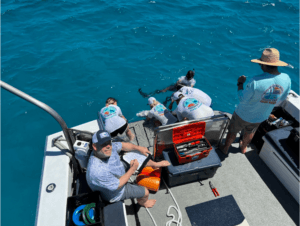
For example, students may participate in projects that involve analyzing water samples, mapping coastal ecosystems, or learning how marine researchers track ocean species. These practical activities help students understand how ocean science contributes to marine conservation and environmental protection.
These hands-on experiences are often a student’s first real connection to science. With the right support, a single session can spark a lifelong passion for ocean conservation.
Support this impact—donate today and give more students access to real-world ocean learning.
Encouraging Future Marine Researchers
The future of ocean research depends on the next generation of scientists who will continue exploring and protecting marine ecosystems. Ocean STEM education introduces students to potential careers in marine biology, oceanography, environmental science, and ocean engineering.
By learning about deep-sea exploration technologies, underwater robotics, and ocean monitoring systems, students gain insight into how modern research is conducted. Exposure to these fields at an early stage helps spark long-term interest in marine science and conservation work.
Programs that focus on marine research also highlight the importance of protecting vulnerable ecosystems such as coral reefs, seagrass beds, and mangrove forests. Understanding these habitats encourages students to appreciate the complexity of ocean environments and the importance of preserving them.
Without funding, many of these opportunities remain out of reach for students who have the potential to lead future discoveries.
Strengthening Awareness of Marine Conservation
Education plays a key role in protecting marine ecosystems. When students learn about ocean habitats and marine wildlife, they gain a deeper appreciation for the biodiversity that exists beneath the surface.
Ocean STEM programs teach participants about the challenges facing marine ecosystems, including habitat loss, pollution, and environmental changes affecting the seas. By studying real-world ocean data and field research, students begin to understand how conservation strategies are developed.
This knowledge empowers young learners to become informed advocates for marine conservation. Whether they pursue careers in ocean science or simply carry their knowledge into their communities, these students become part of a broader effort to protect marine life and sustain ocean ecosystems.
When students understand what is at stake, they don’t just learn, they care. And that care is what drives real change in protecting our oceans.
Hands-On Learning with Ocean Technology
Technology plays an increasingly important role in ocean research, and STEM programs introduce students to the tools scientists use to study the ocean. From satellite monitoring to underwater drones, modern research equipment allows scientists to explore deep-sea environments and collect critical data about marine ecosystems.
Students participating in ocean STEM programs may learn how sonar mapping reveals underwater landscapes or how remotely operated vehicles capture images of deep-sea habitats. These technologies help scientists study ocean environments that are otherwise difficult to reach.
Learning about these tools not only builds technical knowledge but also encourages creative thinking. Students begin to see how engineering and technology can be used to solve real challenges in marine conservation and ocean exploration.
However, access to these tools depends entirely on funding and support. Without it, students miss the opportunity to experience real scientific innovation.
Your contribution helps place these tools directly into students’ hands.
Building a Global Community of Ocean Advocates
Ocean ecosystems connect countries and coastlines across the globe. Marine species migrate across vast ocean regions, and environmental conditions in one area can influence ecosystems thousands of miles away. Because of this, protecting the ocean requires global awareness and cooperation.
Ocean STEM programs help create a new generation of informed individuals who understand the importance of international collaboration in marine conservation. Students learn how scientists from different parts of the world work together to study ocean environments, share research findings, and protect marine wildlife.
By building this awareness early, educational initiatives help strengthen global support for sustainable ocean practices and long-term marine conservation strategies.
Seas Your Dreams and the Future of Ocean Education
At Seas Your Dreams, inspiring the next generation is a core part of our mission. We actively fund and support programs that connect students with ocean science, providing them with real opportunities to learn, explore, and grow. By combining research initiatives with STEM learning opportunities, we help young learners discover the incredible world beneath the waves.
These programs go beyond education—they create pathways for curiosity, innovation, and responsibility toward our oceans. When students learn about marine ecosystems and scientific exploration, they begin to see how their knowledge can contribute to protecting the seas.
Ocean education today shapes the future of ocean conservation tomorrow. By supporting programs that inspire young learners and advance marine science education, individuals and organizations can help expand opportunities for students to explore and understand the ocean.
If you want to create real impact, now is the time to act. Your support directly funds student workshops, research tools, and hands-on ocean education programs.
Donate today and help shape the next generation of ocean scientists who will protect our oceans for years to come.
Your contribution can turn curiosity into a lifelong mission to protect our oceans.