When we look out at the vast blue horizon, it’s easy to feel like the ocean is endless and unchanging. But beneath the surface, a complex drama is unfolding. Coral reefs are bleaching, fish populations are migrating, and plastic is finding its way into the deepest trenches. To protect these waters, good intentions aren’t enough. We need hard data.
Effective ocean conservation starts with rigorous science. We can only protect what we truly understand. That is why marine research isn’t just an academic exercise, it is the foundation of successful ocean conservation.
In this post, we will explore:
- How data drives effective policy.
- The role of technology in monitoring marine health.
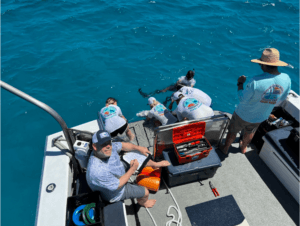
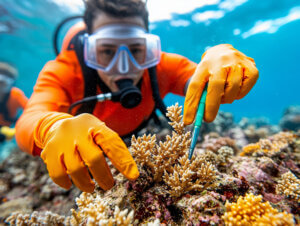
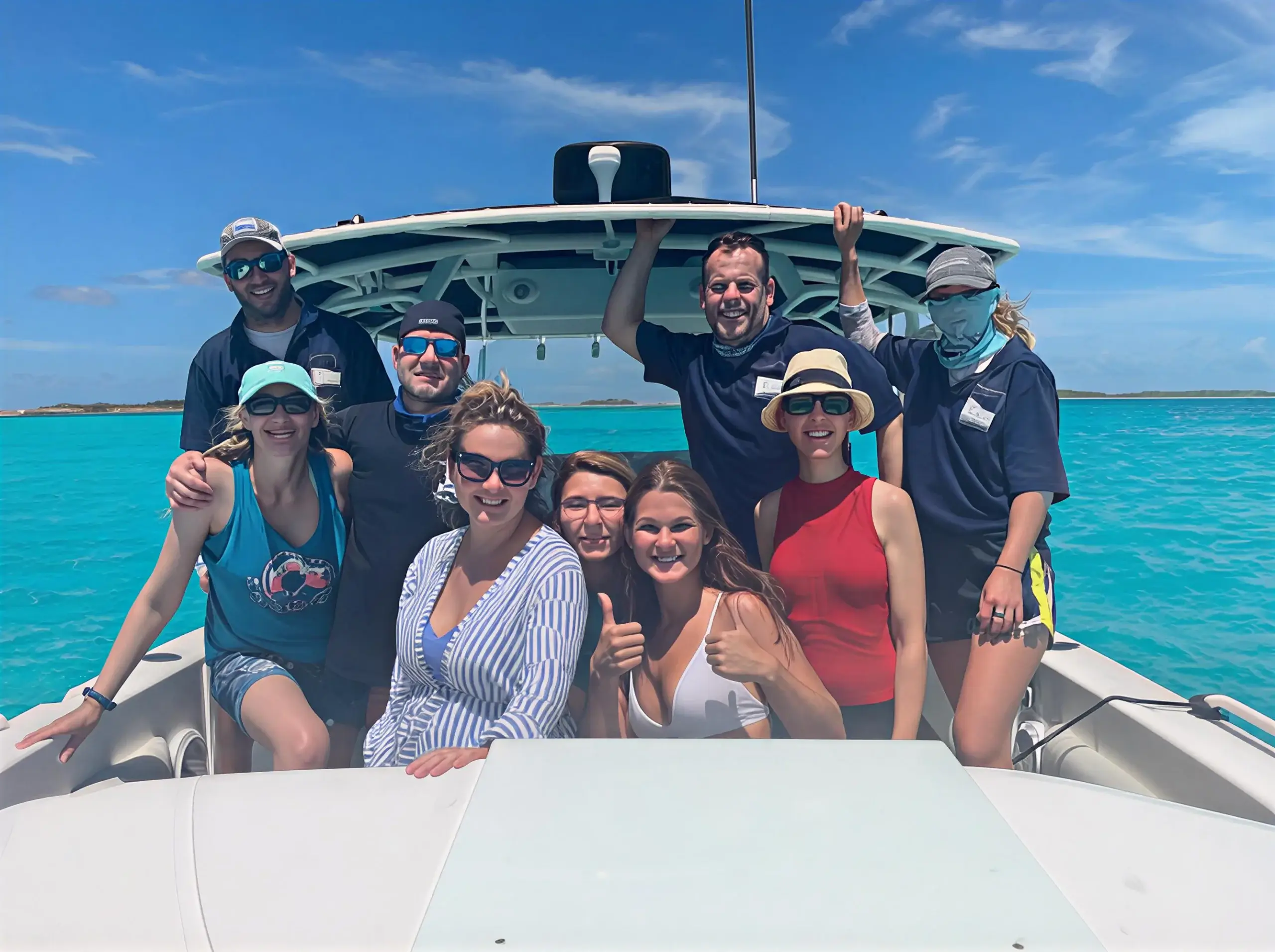
- Why field studies are crucial for protecting endangered species.
We Can’t Manage What We Don’t Measure
Imagine trying to fix a complex engine without knowing how it works or which part is broken. That is what conservation looks like without research. For decades, humanity treated the ocean as a “black box,” assuming it could absorb infinite waste and provide infinite food.
Marine research flips the lights on. Scientists collecting data on water temperature, acidity levels, and oxygen content provide the baseline metrics we need. For instance, without long-term monitoring of pH levels, we wouldn’t understand the severity of ocean acidification, which threatens shellfish and coral structures worldwide.
This data acts as a vital early warning system. It tells us when an ecosystem is approaching a tipping point, allowing conservationists to intervene before the damage becomes irreversible.
Tracking the Travelers of the Sea
Marine wildlife doesn’t respect international borders. Whales, sharks, and sea turtles travel thousands of miles, crossing entire oceans. Protecting these species requires knowing exactly where they go and why.
Through satellite tagging and acoustic telemetry, researchers can map the “blue highways” these animals use. This research has led to the creation of focused Marine Protected Areas (MPAs). Instead of guessing where to ban fishing or shipping traffic, governments can use tracking data to draw lines around critical breeding grounds and migration corridors.
A great example is the protection of the North Atlantic Right Whale. By studying their migration patterns and listening for their calls using underwater microphones, regulators can enforce temporary speed limits for ships in specific zones, directly reducing deadly collisions.
The Technology of Discovery
Modern marine research relies heavily on cutting-edge technology to reach places divers can’t go.
Remotely Operated Vehicles (ROVs)
These underwater robots act as the eyes of scientists in the deep sea. They capture high-definition video of deep-sea corals and sponge gardens that were previously unknown. Documenting these fragile habitats is often the first step in getting them legal protection from bottom trawling.
Environmental DNA (eDNA)
This is a game-changer for biodiversity monitoring. By taking a simple scoop of seawater, scientists can analyze the genetic material left behind scales, mucus, or waste to identify every species that has passed through the area recently. It’s a non-invasive way to survey biodiversity without ever needing to catch a single fish.
From Data to Policy
The ultimate goal of marine research is to inform decision-making. Politicians and stakeholders need concrete evidence to justify the economic costs of conservation.
When scientists can prove that a healthy mangrove forest protects coastal infrastructure from storm surges better than a concrete seawall, the argument for conservation becomes financial, not just environmental. When data shows that allowing fish stocks to recover for five years will double the catch for local fishermen in the long run, sustainability becomes a smart business move.
Research bridges the gap between raw nature and human policy. It transforms “saving the ocean” from a vague slogan into a series of specific, actionable steps backed by evidence.
Conclusion: The Future Is Science-Based
The ocean is resilient, but it is not invincible. As pressures from climate change and pollution mount, our margin for error shrinks. Guesswork is no longer an option. Protecting marine ecosystems requires precision, evidence, and sustained commitment to understanding how the ocean truly functions.
This is where Seas Your Dreams aligns its mission with the science that guides meaningful conservation. By supporting marine research, field studies, and data-driven protection efforts, the initiative helps turn knowledge into action and ensures that conservation decisions are grounded in evidence rather than assumption. When individuals choose to support this work through donation, they help extend the reach of marine science and contribute directly to safeguarding ocean ecosystems for the future.
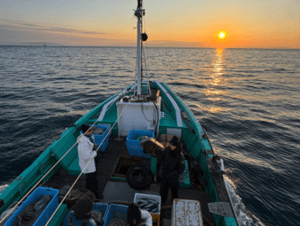
The next time you see a research vessel on the horizon or read a study about marine life, remember: that isn’t just science. It is the lifeline of ocean conservation and a future worth investing in.