How Volunteer Support in Marine Research Projects in 2025
The state of our oceans has a ripple effect on life on Earth. From coral reefs to whales, every marine species contributes to ecological stability. But pollution, climate change, and overfishing are disrupting these fragile ecosystems. Scientists are racing to collect data, conduct experiments, and formulate solutions but they can’t do it alone. This is where volunteer support in marine research becomes essential.
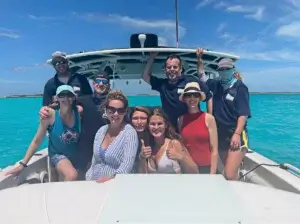
Volunteer support contributes enthusiasm, time, and expertise to magnify the impact of scientific research, resulting in measurable benefits for marine conservation. Whether on beaches, research vessels, or labs, volunteers are making a real difference in protecting the future of our oceans.
How Can Volunteers Support Marine Research Projects?
Volunteer support in marine research is crucial to helping scientists reach further. Researchers are often constrained by funding and limited staff, and volunteers bring the hands and energy that make many otherwise impossible tasks possible.
Field Assistance in Data Collection
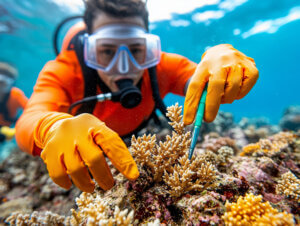
One of the most valuable contributions volunteers offer is data collection. Recording observations, measuring water quality, and logging species sightings allow scientists to analyze long-term trends. Citizen participation expands coverage to regions researchers may not otherwise reach.
Education and Awareness
Volunteers also promote marine education through community outreach. By teaching others about ocean systems, they inspire ocean-friendly behaviors and encourage policy advocacy.
Technical and Logistical Aid
From equipment setup to event coordination, the practical assistance that volunteers bring helps scientists focus on complex research tasks.
In short, volunteer support in marine research projects multiplies professional teams’ effectiveness and fosters global responsibility for the health of our oceans.
What Hands-On Tasks Aid Marine Studies?
Volunteers can participate in a variety of hands-on tasks that directly contribute to marine research.
Sample Collection
Volunteers often gather water, algae, or plankton samples for laboratory analysis. These samples help scientists track pollution levels, nutrient balance, and shifts in biodiversity.
Tagging and Tracking
Assisting with tagging marine animals such as turtles or sharks provides vital data on migration and habitat use key to shaping effective conservation laws.
Habitat Surveys
Snorkeling and diving volunteers document coral reef conditions, seagrass density, and fish populations. Such efforts expand the scale of marine research volunteering.
Through these activities, volunteers help enhance scientific understanding while protecting marine habitats.
How Do Beach Cleanups Help Research?
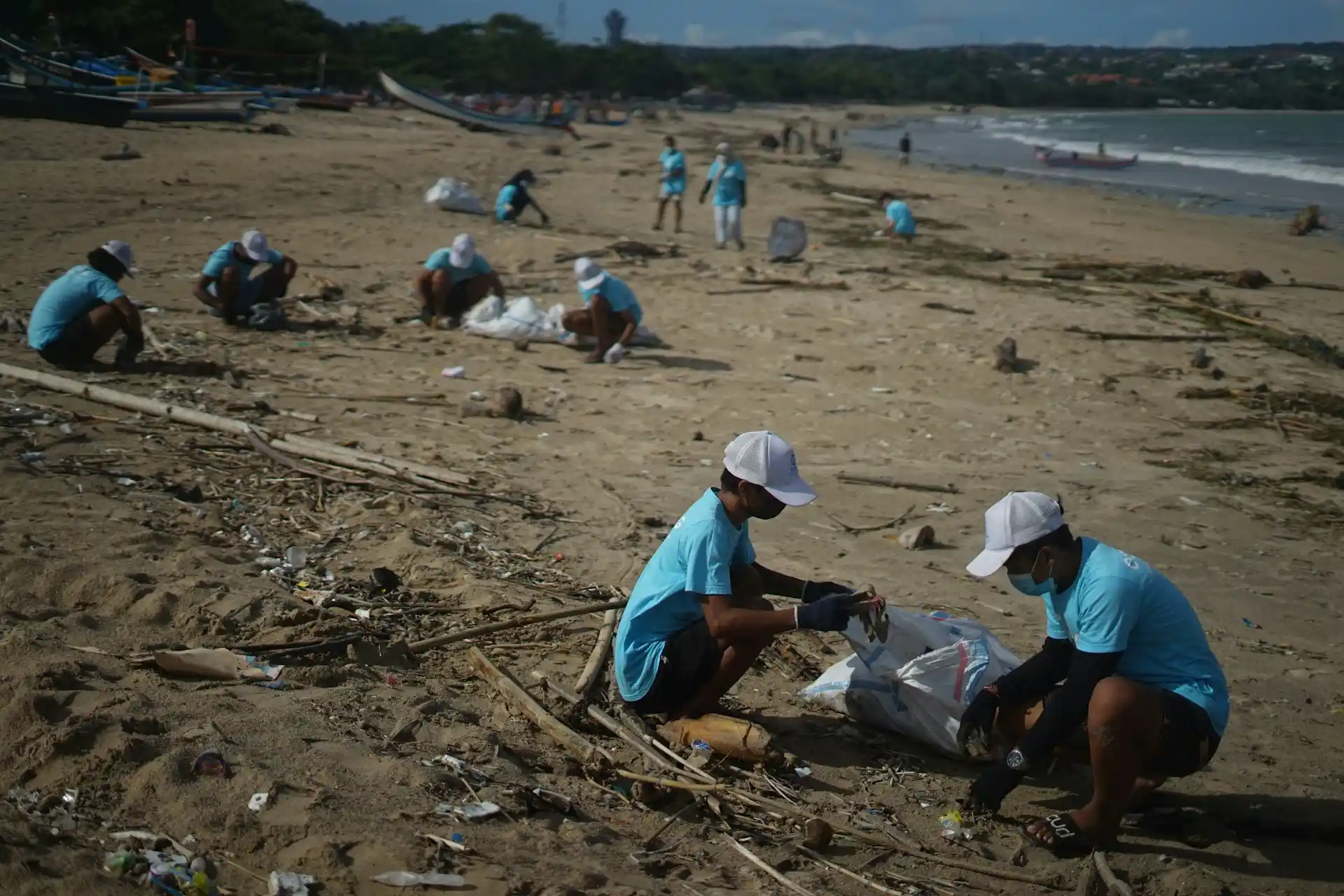
Beach cleanups might look like community service, but they are also powerful tools for marine science.
Data Gathering from Waste
Volunteers don’t just collect trash they record the types and quantities of waste, offering researchers critical insight into pollution sources and distribution.
Reducing Plastic Impact
Removing plastics from coastlines prevents marine animals from ingesting debris, improving ecosystem resilience.
Public Engagement
Beach cleanups raise awareness and inspire behavioral change, turning communities into allies for ocean protection.
With regular volunteer support in marine research, these cleanups evolve into citizen-science programs that aid both research and conservation.
Why Join Whale Monitoring Efforts?
Whales play a vital role in maintaining marine ecosystems. Monitoring them requires dedication and volunteers make this possible.
Observation and Recording
Volunteers assist researchers in spotting, tracking, and photographing whales to document their behavior and population trends.
Acoustic Monitoring
They help record whale calls, providing insights into communication, migration, and breeding habits.
Conservation Awareness
Participants in whale monitoring often become long-term advocates for marine protection, spreading awareness about ocean conservation issues.
Volunteer support in whale research not only improves data accuracy but also fosters global stewardship of marine ecosystems.
The Ripple Effect of Volunteer Support
Beyond the field, volunteer efforts have far-reaching benefits:
Strengthen international collaboration through shared research initiatives.
Expand scientific databases with community-sourced data.
Build emotional connections to marine environments, inspiring lifelong ocean advocates.
From cleanups to whale tagging, volunteer support in marine research projects proves that small, consistent efforts can lead to monumental progress.
Oceans Thrive When Volunteers Dive In
The ocean’s future relies on more than just scientists; it relies on us all. From collecting data firsthand to cleaning beaches and monitoring whales, volunteer support fills the gap between scarce resources and the endless demands of the ocean. With researchers and volunteers together, a formidable force can be mobilized against threats to the ocean.
Want to make waves in marine conservation? Sign up for a marine research volunteering program now and contribute to saving the oceans for future generations.
FAQs
Where can I find volunteering opportunities for marine research?
Many NGOs, universities, and conservation groups offer both local and international volunteer programs through their websites.
Do I need to be a scientist to volunteer in marine research?
No. Most organizations provide training for beginners, so anyone can contribute meaningfully.
Do beach cleanups actually help scientific research?
Yes. Data gathered from waste helps scientists identify pollution sources and track trends.
Why join whale monitoring projects as a volunteer?
You’ll contribute valuable data to global studies on whale migration, behavior, and population health while supporting ocean conservation.