Top Marine Research Trends 2025: AI Innovations, Climate Tech & Ocean Breakthroughs
The ocean holds endless mysteries and 2025 marks a turning point in how scientists explore them. Marine Research Trends 2025 spotlight how technology, AI, and deep learning are transforming marine science into a dynamic field driving real-world ocean conservation.
At Seas Your Dreams, our mission is to raise awareness, inspire community action, and support groundbreaking marine discoveries. Let’s explore the most significant marine research breakthroughs of 2025 shaping the oceans’ future.
Current Trends in Marine Research
The year 2025 brings a fusion of high-end technology and sustainability in ocean research. Interdisciplinary collaboration, automation, and eco-conscious practices define today’s marine studies.
Growing Role of Interdisciplinary Collaboration
The complexity of ocean systems requires teamwork across marine biology, chemistry, physics, and data science. This synergy underpins major Marine Research Trends 2025, ensuring discoveries address biodiversity loss and ocean warming.
Rise of Citizen Science and Community Engagement
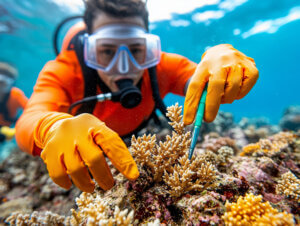
Affordable technology and mobile apps empower citizens to collect coastal data, report rare marine species, and contribute to global research databases democratizing marine science and encouraging participation in conservation.
AI Innovations Driving Marine Research
AI is the backbone of Marine Research Trends 2025 enabling faster, more accurate insights into marine ecosystems.
Automated Species Identification
AI systems now analyze underwater footage to instantly recognize fish, coral, and plankton species. This streamlines biodiversity tracking and accelerates conservation planning.
Predictive Modeling for Ocean Health
Machine learning predicts coral bleaching, harmful algal blooms, and shifts in fish populations, allowing scientists to act before ecosystems collapse.
AI-Powered Robotics and Drones
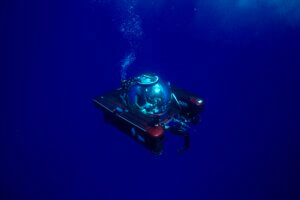
Robotic submarines map the ocean floor, detect illegal fishing, and explore volcanic vents once unreachable opening new horizons for marine research.
Deep Learning Advancements in Oceanography
Deep learning is revolutionizing how we interpret vast datasets, making it another major theme in Marine Research Trends 2025.
Satellite Imaging and Ocean Currents
Deep learning algorithms process satellite data to map ocean currents, ice melt, and erosion vital for understanding climate change impacts.
Acoustic Monitoring of Marine Species
Underwater soundscapes analyzed through AI help track whale migrations and detect seismic disruptions, supporting marine mammal conservation.
Climate Simulation Models
AI-enhanced simulations forecast long-term climate effects, guiding at-risk coastal communities toward better preparedness.
Climate Tech Transforming Marine Studies
Climate technology plays a pivotal role in Marine Research Trends 2025, bridging sustainability and science.
Renewable Energy and Ocean Research
Offshore wind farms, tidal energy systems, and floating solar panels now serve as platforms for real-time marine data collection.
Carbon Capture and Blue Carbon Studies
New tech tools assess how mangroves and seagrasses store carbon, shaping global climate strategies and conservation goals.
Pollution Tracking Sensors
Advanced sensors detect microplastics and chemical runoff, enabling rapid response to pollution events and protecting marine ecosystems.
Why Ocean Breakthroughs in 2025 Matter
Each marine research breakthrough impacts climate policy, biodiversity protection, and global awareness campaigns.
Linking Research With Conservation
From plastic reduction laws to marine sanctuaries, discoveries in Marine Research Trends 2025 guide governments and NGOs toward stronger environmental protections.
Inspiring Global Action
Educational outreach inspired by marine findings empowers communities to adopt sustainable practices and support ocean recovery projects.
Supporting the Future of Marine Research
The ocean’s future hinges on what happens in 2025. New tools like artificial intelligence, a better understanding of how things happen, and innovative climate solutions offer unprecedented opportunities for conservation.
However, success depends not just on these developments but also on people working together worldwide, local participation, and then resources backing up good ideas with real change.
Support the future of marine research, Donate today, join a community project, or share this mission to protect the oceans for generations to come.
FAQs
How is AI transforming marine sciences in 2025?
AI accelerates data analysis, species tracking, and predictive modeling, providing faster, more precise insights into ocean ecosystems.
What role do communities play in marine research trends?
Citizen science projects and local ecosystem monitoring empower communities to contribute to global marine research efforts.
Why are Marine Research Trends 2025 critical?
These trends drive global climate policies, enhance biodiversity conservation, and mobilize funding for sustainable ocean initiatives.
How can individuals support marine research?
You can support by donating to organizations, using less plastic, choosing sustainable seafood, or spreading ocean awareness.