The vast, blue expanse of our planet’s oceans holds mysteries we are only beginning to understand. Covering over 70% of the Earth’s surface, these marine environments are not only home to extraordinary biodiversity but are also essential to the planet’s stability. As we look to the future, the combined roles of scientific research, dedicated conservation, and sustainable coastal management have never been more critical. Protecting our oceans is not simply about preservation, it is about securing a stable future for marine life and for humanity itself.
Understanding where our oceans are headed requires a closer look at the science guiding discovery, the conservation strategies protecting ecosystems, and the coastal sustainability efforts shaping how humans coexist with the sea.
The Frontier of Ocean Research
Modern oceanography is pushing the boundaries of what we know about the deep sea. Scientists are using advanced technologies to explore previously unreachable parts of the ocean, revealing new species and complex ecosystems.
Mapping the Deep Blue
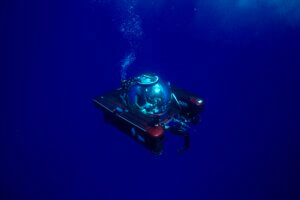
Unmanned underwater vehicles (UUVs) and autonomous robotic explorers are charting the ocean floor with incredible detail. These missions gather data on everything from underwater volcanoes to unique geological formations that support life. This information is critical for understanding ocean currents, plate tectonics, and the distribution of marine habitats. By mapping these areas, we can identify regions that require special protection.
Unlocking Genetic Secrets
Marine biotechnology is another exciting frontier. Researchers are studying the DNA of marine organisms, from microscopic plankton to giant whales. This genetic data helps us understand the evolutionary history of marine life and how different species adapt to their environments. It also provides insights into the resilience of ecosystems in the face of environmental changes, offering clues on how to best protect them.
Cornerstone of Conservation: Protecting Marine Life
Conservation efforts are the practical application of our scientific knowledge. Protecting marine biodiversity is a complex challenge that requires a multi-faceted approach, focusing on creating safe havens for wildlife and addressing direct threats.
Marine Protected Areas (MPAs)
One of the most effective tools for conservation is the establishment of Marine Protected Areas. These designated zones restrict human activities like fishing and mining, allowing ecosystems to recover and thrive. MPAs act as vital nurseries for many fish species, helping to replenish populations in surrounding waters. The success of MPAs depends on effective management, community involvement, and consistent monitoring to ensure they meet their conservation goals.
Combating Pollution and Overfishing
Plastic pollution and unsustainable fishing practices pose significant threats to marine ecosystems. Conservation groups and governments worldwide are working to reduce the flow of plastics into our seas through cleanup initiatives and policy changes. Similarly, promoting sustainable fishing methods, fighting illegal fishing, and establishing science-based catch limits are essential steps to ensure the long-term health of global fish stocks and the livelihoods that depend on them.
Building Resilient Coasts for Tomorrow
Coastal regions are dynamic environments where land and sea meet. They are also home to a significant portion of the world’s population. Coastal sustainability involves managing these areas in a way that protects natural habitats while supporting coastal communities.
Nature-Based Solutions
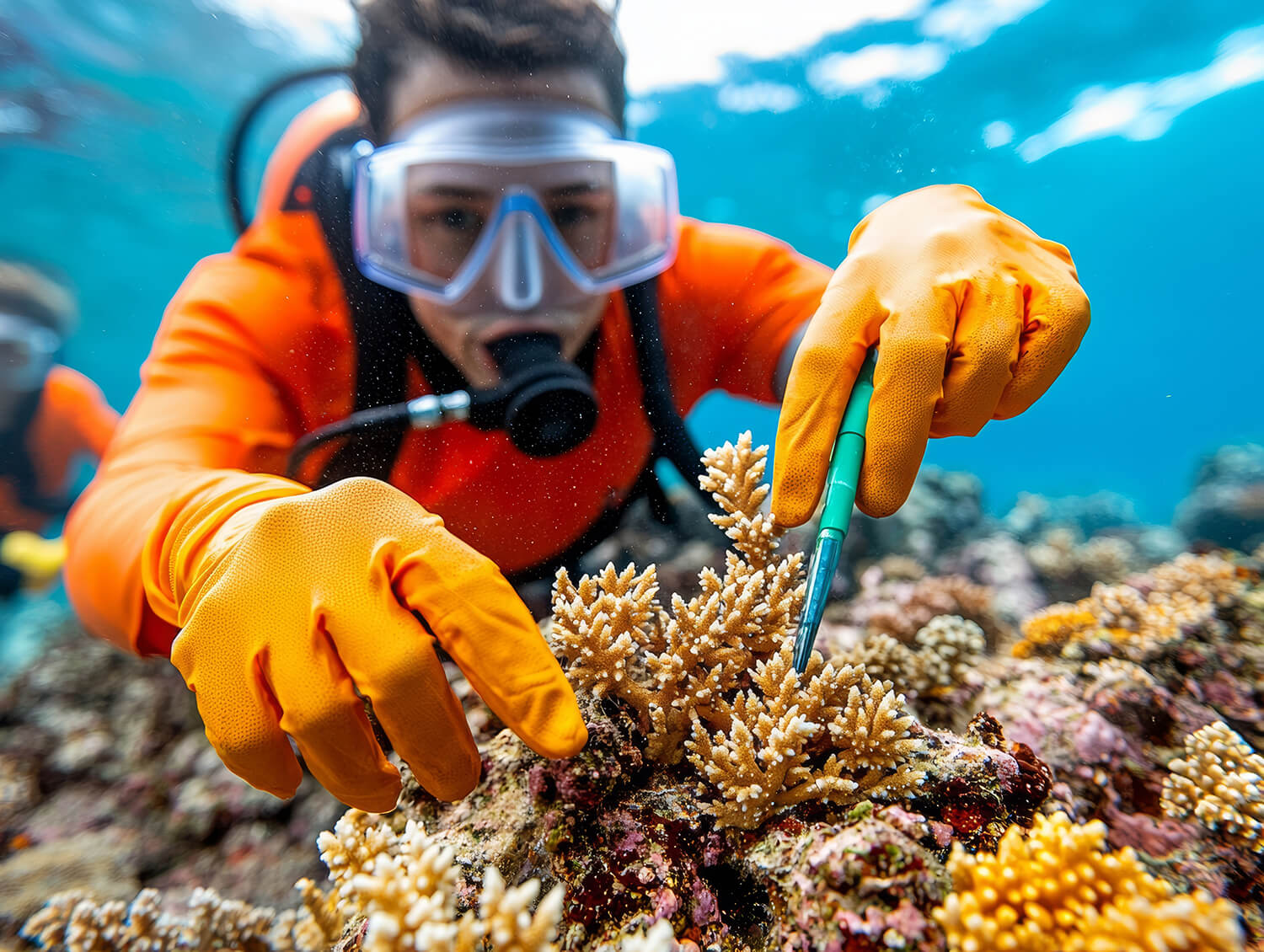
Instead of relying solely on concrete seawalls, many communities are turning to nature-based solutions to protect their coastlines. Restoring mangrove forests, salt marshes, and coral reefs provides a natural buffer against storm surges and erosion. These habitats also sequester carbon, support local fisheries, and enhance biodiversity. These living shorelines are often more cost-effective and adaptable than traditional engineering projects.
Sustainable Coastal Development
Planning for the future also means developing our coasts responsibly. This includes implementing smart land-use policies that prevent construction in high-risk areas and promoting infrastructure that works with, not against, natural processes. By integrating environmental considerations into urban planning, coastal cities can become more resilient to the challenges of a changing climate while preserving the natural beauty and ecological function of their shorelines.
Your Role in the Ocean’s Future
The future of our oceans is a shared responsibility. While scientists, conservationists, and policymakers lead vital efforts, individual choices collectively shape long-term outcomes. Supporting marine research, choosing sustainable seafood, and reducing plastic use all contribute to healthier ocean systems.
This is where Seas Your Dreams connects people to purposeful ocean action. By supporting initiatives that advance research, conservation, and coastal sustainability, the organization helps transform awareness into measurable impact. Contributing through donation strengthens the work protecting marine ecosystems and the communities that depend on them, ensuring that the ocean remains resilient, productive, and alive for generations to come.