Supporting Young Scientists to Protect Ocean Habitats
The protection of ocean habitats is crucial to preserving marine biodiversity and maintaining the health of our planet. However, ensuring the long-term sustainability of these ecosystems requires the involvement of dedicated young scientists who are passionate about marine conservation. By investing in their education, research, and fieldwork, we can support the next generation of marine experts committed to ocean preservation. This article explores the importance of fostering young talent in marine science and how communities can contribute to their success.
The Role of Young Scientists in Ocean Habitat Protection
Young scientists play a vital role in marine life protection by conducting research, advocating for sustainable practices, and developing innovative conservation strategies. These emerging experts bring fresh perspectives to the challenges facing our oceans, from coral reef degradation to plastic pollution and overfishing. By equipping them with the necessary tools and knowledge, we empower them to make meaningful contributions to ocean preservation.
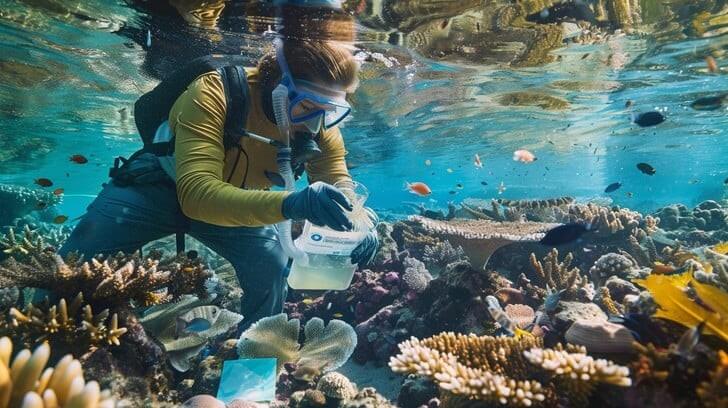
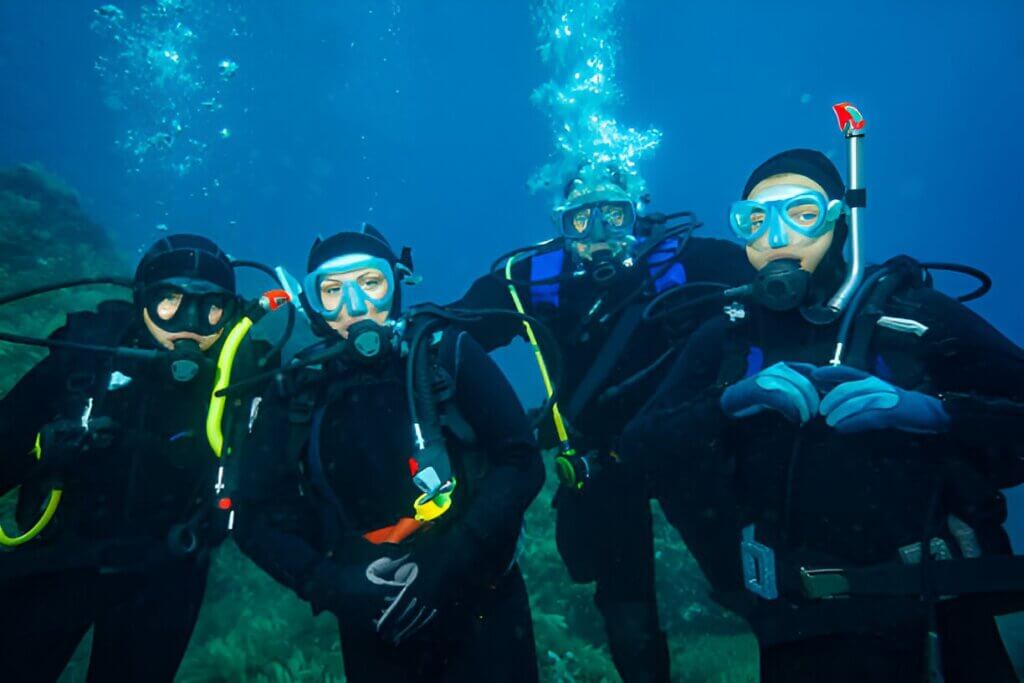
Educational institutions and marine research organizations offer programs that provide students with hands-on experience in studying marine life. These programs include fieldwork opportunities, internships, and workshops focused on data collection, ecosystem monitoring, and conservation planning. Such initiatives allow young scientists to gain practical experience while making real contributions to protecting ocean habitats.
The protection of ocean habitats is crucial to preserving marine biodiversity and maintaining the health of our planet. However, ensuring the long-term sustainability of these ecosystems requires the involvement of dedicated young scientists who are passionate about marine conservation. By investing in their education, research, and fieldwork, we can support the next generation of marine experts committed to ocean preservation. This article explores the importance of fostering young talent in marine science and how communities can contribute to their success.
The Role of Young Scientists in Ocean Habitat Protection
Young scientists play a vital role in marine life protection by conducting research, advocating for sustainable practices, and developing innovative conservation strategies. These emerging experts bring fresh perspectives to the challenges facing our oceans, from coral reef degradation to plastic pollution and overfishing. By equipping them with the necessary tools and knowledge, we empower them to make meaningful contributions to ocean preservation.
Educational institutions and marine research organizations offer programs that provide students with hands-on experience in studying marine life. These programs include fieldwork opportunities, internships, and workshops focused on data collection, ecosystem monitoring, and conservation planning. Such initiatives allow young scientists to gain practical experience while making real contributions to protecting ocean habitats.
Challenges Facing Young Marine Scientists
Despite their enthusiasm and dedication, young scientists often face challenges in pursuing careers in marine conservation. Limited funding, lack of access to field research opportunities, and the high cost of advanced education can create barriers for aspiring marine biologists and environmental scientists.
One of the biggest obstacles is securing financial support for research projects. Many young scientists rely on grants and scholarships to fund their studies and fieldwork. Unfortunately, competition for these resources is fierce, making it difficult for some to continue their research.
Additionally, access to specialized training and mentorship is crucial for young researchers to develop the skills necessary for ocean conservation work. Without guidance from experienced professionals, they may struggle to translate their academic knowledge into practical solutions.
How Communities Can Support Young Scientists
Supporting young scientists in their quest to protect ocean habitats requires a collective effort from educational institutions, government agencies, private organizations, and local communities. Here are some ways to contribute to their success:
- Funding and Scholarships – Providing financial aid, research grants, and scholarships can help young scientists pursue their studies and conduct vital research on ocean habitats.
- Mentorship Programs – Connecting students with experienced marine biologists and environmental researchers can provide valuable guidance and career development opportunities.
- Community-Based Conservation Projects – Engaging young scientists in community-driven conservation initiatives allows them to gain hands-on experience while making an immediate impact.
- Public Awareness Campaigns – Spreading awareness about the importance of ocean habitat protection can encourage more young people to pursue careers in marine conservation.
- Internship and Volunteer Opportunities – Providing hands-on experiences through internships and volunteer programs can equip young scientists with the skills necessary to thrive in their field.
The Importance of Collaboration in Ocean Preservation
The collaboration between scientists, policymakers, and communities is essential for achieving long-term ocean conservation goals. By working together, we can develop innovative solutions to protect marine life, restore damaged ecosystems, and implement sustainable practices that benefit both nature and society.
Partnerships between research institutions and conservation organizations help facilitate knowledge-sharing and technological advancements. These collaborations also enable young scientists to contribute to larger projects with global impact, ensuring that their research reaches policymakers and leads to meaningful change.
Get Involved and Make a Difference
If you’re interested in supporting ocean habitat conservation and helping young scientists succeed, there are several ways to get involved. You can contribute to marine conservation efforts by visiting our Health Support page, where we outline ways to assist in ongoing research and preservation initiatives.
Additionally, learn more about our mission and how we are shaping the future of ocean conservation by visiting our Our Mission page. Your support can help train and inspire the next generation of marine experts, ensuring the protection of our oceans for years to come.
By investing in young scientists today, we secure a healthier, more sustainable future for our ocean habitats and the planet as a whole.
FAQs
Why is it important to support young scientists in marine conservation?
Young scientists bring fresh perspectives, innovative ideas, and energy to tackling ocean conservation challenges. Investing in their education and research ensures long-term sustainability of marine habitats.
What are the biggest challenges young marine scientists face?
Limited funding, lack of access to field research opportunities, high education costs, and the need for mentorship are major barriers for aspiring marine scientists.
How can communities help support young scientists?
Communities can provide scholarships, mentorship programs, internships, research funding, and volunteer opportunities to help young scientists gain experience and develop their careers.
What impact do young scientists have on ocean habitat protection?
They conduct research, develop conservation strategies, advocate for sustainable policies, and contribute to restoring marine ecosystems through hands-on initiatives.
How can I contribute to marine conservation efforts?
You can donate to marine research programs, participate in conservation projects, spread awareness, and support policies that protect ocean habitats.