Inside the Shark Research: Tracking and Protecting Sharks
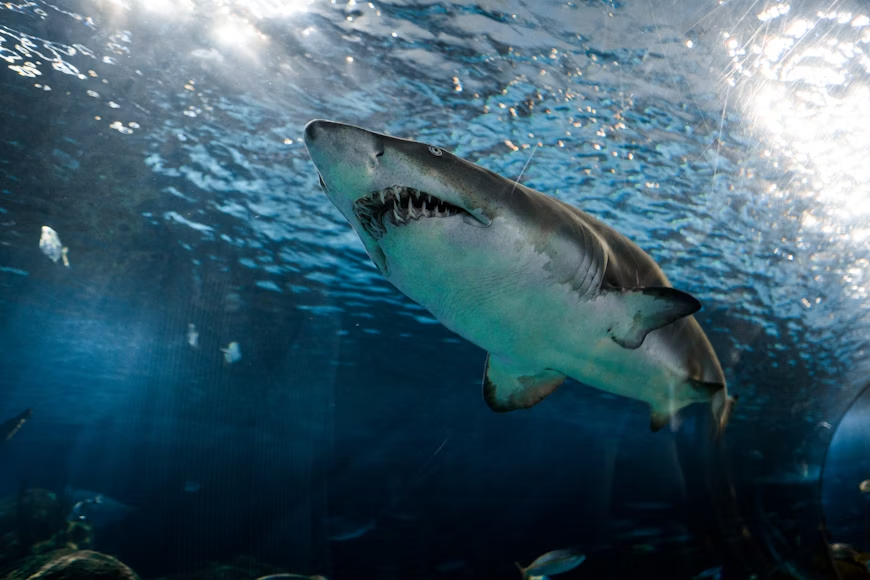
Sharks have fascinated humans for centuries, often portrayed as fearsome predators. Yet beyond the myths, they play a critical role in maintaining healthy ocean ecosystems. Modern shark research is shedding new light on their behavior, migration, and ecological importance. By understanding these apex predators, scientists are developing strategies to conserve their populations and protect marine biodiversity on a global scale.
Today, the study of sharks is a fusion of marine technology, ecological research, and conservation management, producing information that was unthinkable just a few decades ago. Whether it’s following their migrations across oceans or discovering secret breeding sites, each find helps us protect these vital predators.
The Latest Breakthroughs in Shark Research
Ocean science research on sharks has progressed enormously, enabled by novel technologies and collaborations across disciplines. Recent advances have provided the means to investigate sharks at levels not previously possible, revealing behaviors and patterns of life that were unknown.
One significant advancement is satellite tagging, which yields extremely fine-scale, real-time information on shark movements, sometimes for thousands of miles. Genetic tools can now be used to track population structures and breeding patterns. Underwater drones and high-definition cameras record the behaviors of the animals without disturbing them, uncovering social networks, foraging strategies, and migratory routines.
Seas Your Dreams is at the forefront in getting these results turned into protections. By using science and raising awareness, we make sure that the research is serving not only sharks but the entire ocean. Future events and activities demonstrate these new findings and involve the public in conservation.
How Scientists Track Shark Movements
Tracking shark movements is crucial to understanding their behavior and protecting their habitats. Scientists rely on several advanced techniques to monitor these elusive predators:
Satellite Tagging
Satellite tags transmit information about shark locations over vast distances, providing information on migration pathways and seasonal patterns. This technology is particularly useful for species such as the great white and tiger sharks that travel thousands of miles across oceans.
Acoustic Tagging
Signals from acoustic tags are detected by underwater receivers, enabling scientists to monitor sharks within a limited area. This approach yields accurate data on feeding, use of territory, and socialization.
Environmental DNA (eDNA)
A more recently developed method, eDNA, is the detection of traces of sharks in a water sample. This enables them to establish the presence and range of species in an area without physically tagging the animals.
Manned and Unmanned Observations
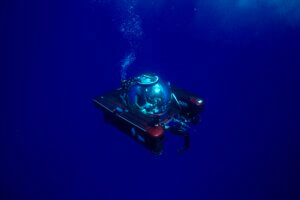
Underwater drones and submersibles, and sometimes manned journeys to the depths, provide a glimpse of the creatures’ interactions, hunting strategies, and breeding rituals in the wild, enabling direct observation of sharks in the wild.
Tracking information can also reveal important habitats, such as breeding sites or feeding areas, that can be protected. It also shows the effect of environmental shifts, like increasing ocean temperatures and overfishing, on shark numbers.
The Role of Sharks in Ocean Balance
Sharks are the most dominant predators in the ocean. Their role is essential to keep the ocean healthy. Sharks help keep vital habitats like coral reefs and seagrass beds from being overgrazed by controlling populations of prey species.
Without sharks, populations of mid-level predators can explode and cause domino effects that unravel the entire marine ecosystem. Also, sharks benefit the genetic quality of their prey populations. Predating on the old and infirm, they maintain population vitality, and that keeps ecosystems balanced and diverse. So when you‘re protecting a shark, you are fundamentally not just helping a single species, you’re helping the ocean’s complex ecological network.
Shark Conservation: Which Species Are Most at Risk Today?
Although they play a crucial role in ecosystems, several species of sharks are vulnerable. Overexploitation, incidental capture (bycatch), habitat degradation, and trade in shark fins have led to dramatic declines in shark populations globally. Some of the most vulnerable species include:
-
- Hammerhead Sharks: Populations have declined due to overfishing and habitat loss.
-
- Oceanic Whitetip Sharks: Once abundant, these sharks are now critically endangered.
-
- Great White Sharks: Threatened by bycatch and slow reproductive rates.
Conservation efforts are concentrated on the protection of essential habitats, sustainable fishing methods, and the establishment of marine reserves. Public education campaigns are also instrumental in shifting the negative image of sharks to the image of them as integral ocean health indicators, as opposed to being known as menacing predators.
Marine Events is dedicated to focusing on marine conservation that includes the helpless marine species as focal points, which shows how research and advocacy go hand in hand. Involving communities and decision-makers, these programs ensure that these iconic species and the ecosystems they sustain have a future.
Emerging Technologies in Shark Research
Modern shark research increasingly depends on marine technology, offering new ways to study these elusive creatures. Some of the most effective tools include:
Underwater Drones and Cameras
Drones with high-definition cameras offer non-invasive methods to watch sharks in the wild. They can track single animals or groups for days, recording behaviors that were once hidden from scientists.
Genetic Analysis
Genetic studies assist in distinguishing between shark populations, following migration routes, and identifying breeding areas. It also informs the population’s health, genetic diversity, and potential susceptibilities.
Artificial Intelligence and Data Analytics
AI is increasingly being applied to analyze massive amounts of tracking and observational data to reveal migration patterns, habitat use, and even forecast responses to environmental alterations.
These techniques are improving the safety and accuracy of research while minimizing disruption of the animals, allowing for long-term monitoring that guides effective conservation strategies.
Conclusion
Shark research is entering an exciting new era, fueled by innovative technologies and a growing understanding of these apex predators’ ecological roles. From satellite and acoustic tagging to genetic analysis and eDNA monitoring, modern research provides unprecedented insights into shark behavior, migration, and population health.
Protecting sharks is critical not just for the species themselves but for the balance of ocean ecosystems worldwide. Supporting conservation programs, attending marine science events, and advocating for sustainable practices are all ways to help secure a future for these remarkable predators. By continuing to advance research and conservation efforts, we ensure that sharks remain a cornerstone of healthy oceans for generations to come.
Support the protection of the ocean’s top predators! Engage with
shark research and conservation programs, attend events showcasing the latest breakthroughs, and help safeguard sharks and marine ecosystems
FAQs
How do scientists track shark movements?
Scientists track sharks in real time and at a distance using satellite and acoustic tags, environmental DNA, and underwater camera arrays.
Why are sharks important for ocean ecosystems?
Like all predators, sharks help regulate prey populations, contribute to biodiversity, and promote the good health of marine ecosystems.
Which shark species are most at risk today?
Hammerhead sharks, oceanic whitetips, and great whites are also the most at risk from overfishing, bycatch and habitat loss.
What technologies are used in modern shark research?
Researchers use satellite and acoustic tags, underwater robotics, high-definition cameras, genetic analysis, and environmental DNA sampling to study sharks more efficiently.