Scientific Excursion in Marine Education: Key Differences from Field Trips
Ever wandered through a bustling aquarium or dipped your toes in ocean waves during a school outing, only to realize how much more there is to learn? That’s the magic of a scientific excursion in marine education a hands-on adventure that goes beyond typical classroom boundaries.
At Seas Your Dreams, these excursions are at the heart of inspiring youth to protect our oceans, blending real-world science with unforgettable experiences. In this blog, we’ll explore what defines a scientific excursion, how it differs from regular field trips, and why it’s a game-changer for marine conservation.
What Is a Scientific Excursion and How Does It Differ from a Regular Field Trip?
A scientific excursion in marine education is not just a school trip it’s a mission into the real world of exploration and research. Unlike a casual museum visit, it involves focused learning tied directly to the scientific method, as seen in programs like Seas Your Dreams.
Unpacking the Core Definition
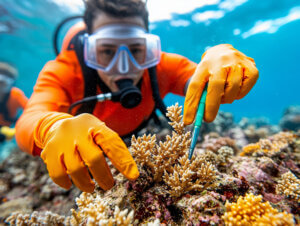
A scientific excursion engages students in science-based activities like observing marine ecosystems, testing water samples, or collecting environmental data. It transforms the ocean into a living lab where young learners tag sharks, study coral reefs, or monitor pollution levels.
Spotting the Key Field Trip Differences
While traditional field trips expose students to general information, scientific excursions immerse them in active learning and research. They develop hypotheses, conduct tests, and analyze outcomes experiencing “school trips with a scientific purpose.”
Why These Distinctions Matter in Modern Learning
Scientific excursions promote observation, analysis, and critical thinking, helping students connect classroom theory with real-world science. This hands-on learning strengthens curiosity, environmental empathy, and lasting conservation awareness.
How Do Excursions Enhance Learning in Marine Education?
Excursions break the monotony of classroom routines and transform passive learning into discovery-driven experiences.
- Igniting Curiosity: Students learn by doing gathering water samples or analyzing biodiversity data.
- Fostering Teamwork: Team-based exploration builds collaboration and leadership.
- Long-Lasting Impacts: Research shows such field experiences improve test scores and boost STEM interest among underserved students.
Why Prioritize Scientific Excursions in Marine Education?
In an age dominated by digital learning, scientific excursions in marine education reconnect students with nature. They build future scientists and ocean stewards, nurturing STEM ambitions while inspiring real-world conservation.
Programs like Seas Your Dreams lead the way by offering scholarships, mentorship, and hands-on marine exploration for students who otherwise might never experience the ocean firsthand.
Safety First: Ensuring Secure Scientific Excursions
Safety protocols transform adventure into responsible exploration:
- Pre-Trip Planning: Weather checks and equipment inspections.
- On-Site Safety: Certified guides and first-aid readiness.
- Post-Trip Reflection: Debriefs to enhance future excursions.
Get Involved in Scientific Excursions
Want to support scientific excursions in marine education?
- Volunteer as a guide or researcher.
- Donate to sponsor underprivileged students.
- Partner with programs like Seas Your Dreams to extend marine education opportunities.
Waves of Wonder: The Future of Scientific Excursions
Scientific excursions aren’t trips; they’re access to discovery, adventure, and education, combined to create conscious stewards of the planet. By defining their own distinctive focus and by emphasizing benefits, such as improved learning and research skills, these experiences, as advocated by Seas Your Dreams, enable youth to address ocean issues. Focusing on them means a brighter, bluer tomorrow.
Join the movement! Donate or volunteer to support life-changing scientific excursions today.
FAQs
What defines a scientific excursion in marine education?
A scientific excursion focuses on guided exploration, research, and data collection, unlike traditional sightseeing field trips.
How do scientific excursions benefit underserved students?
They offer access to STEM opportunities, mentorship, and marine research experiences that empower equal education.
Are scientific field trips safe for children?
Yes, when organized with proper supervision, risk assessments, and trained marine educators, they are completely safe.
Can adults participate in marine scientific excursions?
Absolutely. Adults can join as volunteers, researchers, or supporters in programs like Seas Your Dreams.