What is the Plastic in the Ocean Research Paper About
Plastic pollution in the world’s oceans has become a pressing environmental issue. Researchers, scientists, and policymakers are increasingly concerned about its devastating effects on marine life, ecosystems, and human health. This leads to the critical question: What is the plastic in the ocean research paper about?
Plastic in the ocean research papers focus on the sources, distribution, impacts, and mitigation strategies of plastic pollution. They aim to provide scientific evidence, inform policy, and raise public awareness. These studies cover everything from microplastics to macroplastic debris, evaluating how they move through marine ecosystems and accumulate in ocean gyres.
In this blog, we will explore the scope of such research papers, their key findings, methodologies, global relevance, and how they contribute to saving our oceans.
Understanding Plastic Pollution in Oceans
Plastics are synthetic polymers that do not biodegrade easily. They break down into smaller pieces over time, creating microplastics and nanoplastics, which are particularly harmful to marine life.
Types of Plastic Found in Oceans
-
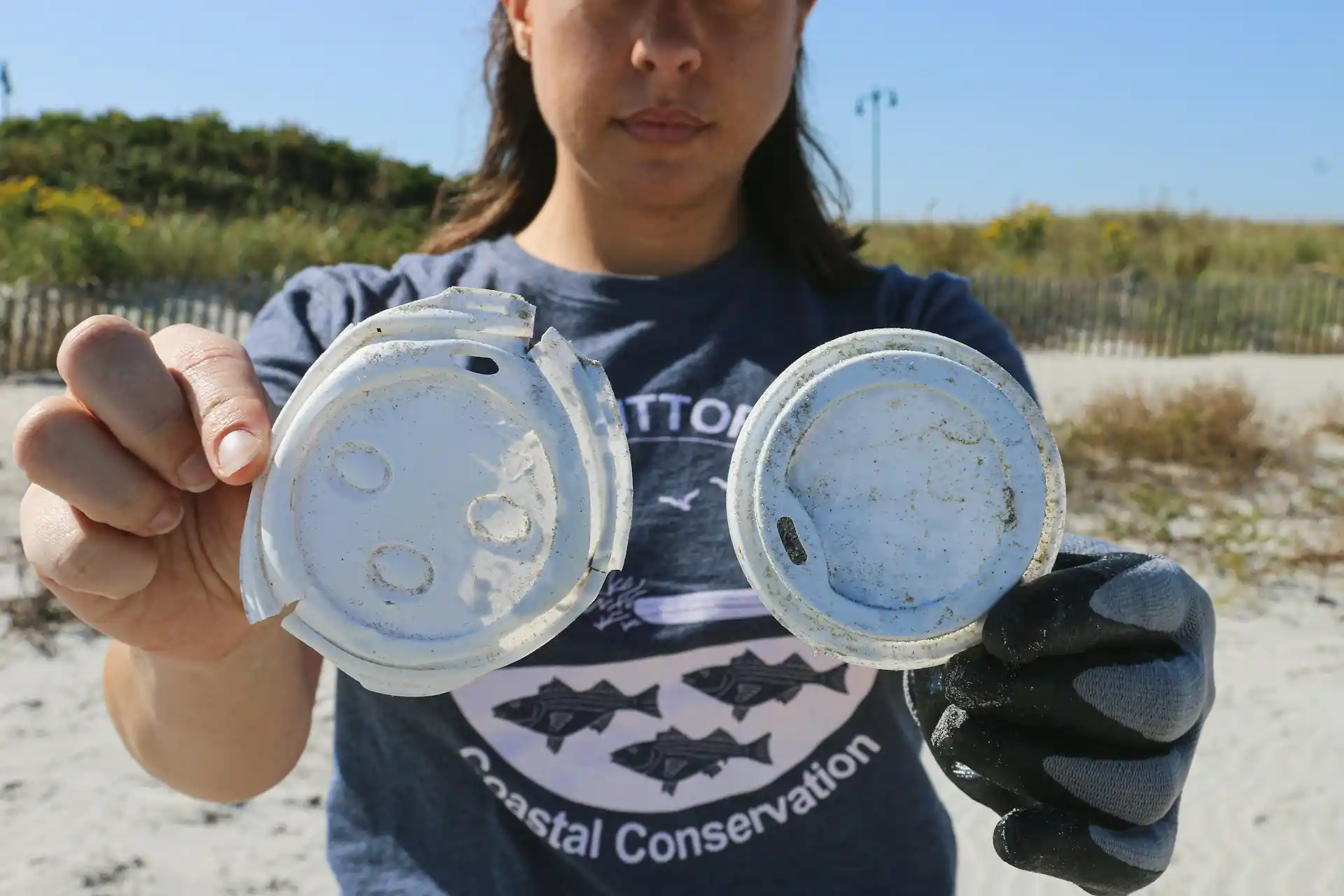
Macroplastics – Large items like bottles, fishing nets, and packaging materials.
-
Microplastics – Tiny plastic particles less than 5mm in size, often formed from the degradation of larger plastics.
-
Nanoplastics – Even smaller particles that can penetrate tissues in marine organisms.
Plastic research papers examine the sources of these plastics, including rivers, coastal cities, shipping activities, and fishing industries.
Methodologies Used in Plastic Research Papers
Understanding what is the plastic in the ocean research paper about requires looking at the methodologies scientists use:
1. Sampling and Collection
-
Surface trawls collect floating plastic debris.
-
Sediment sampling examines plastic accumulation in seabeds.
-
Water column sampling detects plastics suspended at various depths.
2. Laboratory Analysis
-
Spectroscopy and microscopy identify plastic types and chemical composition.
-
Density separation distinguishes plastics from organic matter.
-
Polymer analysis helps track the origin of plastics.
3. Remote Sensing and Modelling
-
Satellites and drones track large debris and floating garbage patches.
-
Ocean current models predict plastic movement and accumulation zones.
By using these methods, researchers generate data for environmental policy, awareness campaigns, and conservation efforts.
Key Findings from Plastic in the Ocean Research Papers
Research papers consistently highlight several critical issues:
1. Global Distribution
Plastics are present in every ocean, from tropical seas to polar regions. Key accumulation zones include the Great Pacific Garbage Patch, Indian Ocean gyres, and remote Arctic waters.
2. Impact on Marine Life
Plastics pose severe threats to marine animals:
-
Ingestion by fish, seabirds, and turtles leading to starvation or poisoning.
-
Entanglement in nets, ropes, and plastic debris causing injury or death.
-
Transfer of microplastics through the food chain, affecting predators and humans.
3. Chemical Contamination
Plastics absorb and release toxic chemicals such as BPA, phthalates, and persistent organic pollutants (POPs). Research shows these chemicals can bioaccumulate in marine organisms.
4. Socioeconomic Effects
Plastic pollution affects fisheries, tourism, and coastal communities. Research papers quantify these costs, emphasizing the urgent need for intervention.
Global Relevance of Ocean Plastic Research
Understanding what is the plastic in the ocean research paper about is crucial because ocean plastic pollution is a transboundary issue. No single country can tackle it alone. Findings inform:
-
International policy agreements like MARPOL Annex V.
-
Plastic reduction campaigns such as bans on single-use plastics.
-
Public awareness initiatives to reduce plastic consumption.
Research papers provide evidence for global stakeholders to act collectively.
Solutions Highlighted in Research Papers
Plastic in the ocean research papers also propose solutions to mitigate pollution:
1. Waste Management Improvements
Proper collection, recycling, and treatment of waste reduces plastics entering waterways.
2. Innovative Technologies
-
Floating barriers to capture debris in rivers and oceans.
-
Biodegradable and sustainable alternatives to traditional plastics.
3. Policy and Legislation
-
Bans on single-use plastics.
-
Regulations on fishing gear disposal.
-
Incentives for recycling programs and producer responsibility.
4. Education and Awareness
Community education, citizen science, and media campaigns raise awareness and reduce plastic usage.
Importance of Plastic Research Papers
Understanding what is the plastic in the ocean research paper about helps:
-
Provide evidence-based policy recommendations.
-
Highlight urgent environmental threats.
-
Encourage interdisciplinary research combining chemistry, biology, and environmental science.
-
Support sustainable development goals, especially SDG 14: Life Below Water.
Case Studies
1. Great Pacific Garbage Patch Studies
Research papers map and quantify plastic concentrations in the Pacific Ocean. These studies reveal millions of tons of plastic debris, emphasizing the importance of mitigation and clean-up initiatives.
2. Microplastic Pollution in Fisheries
Studies show microplastics in commercially important fish species. This highlights the risk to food safety and global seafood industries.
3. Impact on Coral Reefs
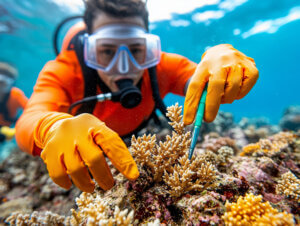
Plastic debris has been linked to coral disease and bleaching. Papers analyze interactions between microplastics and coral ecosystems, showing potential long-term effects.
Challenges Highlighted by Research Papers
Despite extensive studies, challenges remain:
-
Data gaps – Many regions, particularly deep oceans, remain understudied.
-
Plastic identification – Differentiating plastic types can be complex.
-
Funding limitations – Ocean research is expensive and resource-intensive.
-
Public engagement – Awareness campaigns need scaling for global behavior change.
Future Directions
Plastic in the ocean research papers suggest future directions:
-
Enhanced monitoring using autonomous vehicles and underwater drones.
-
Advanced chemical analysis to track nanoplastics.
-
Policy integration linking research findings to international agreements.
-
Expansion of citizen science programs to increase data collection.
So, what is the plastic in the ocean research paper about? It is a scientific exploration of how plastics enter, move through, and impact ocean ecosystems. These studies reveal the distribution of macroplastics and microplastics, their effects on marine life, and strategies for mitigation.
The research highlights that plastic pollution is not just an environmental issue; it’s a socio-economic and health challenge. Findings from these papers inform policy, drive technological innovation, and raise awareness globally.
Understanding and acting on this research is critical to ensuring oceans remain healthy, resilient, and capable of sustaining life for generations to come.
FAQs
What is the plastic in the ocean research paper about?
It explores the sources, impacts, and mitigation strategies of plastic pollution in oceans.
How does plastic affect marine life?
Plastics can be ingested, cause entanglement, and introduce toxic chemicals, affecting the health of marine species.
What are microplastics?
Tiny plastic particles less than 5mm, often formed from the breakdown of larger plastics.
Can research papers help reduce ocean plastic pollution?
Yes, they provide scientific evidence for policymaking, waste management, and public awareness campaigns.
What solutions do these research papers suggest?
Solutions include waste management improvements, biodegradable plastics, legislation, and education.