Imagine standing on a dock, staring out at the horizon. The water looks endless, mysterious, and powerful. But beneath that rolling blue surface lies a complex world that scientists are working tirelessly to understand. Marine science isn’t just about identifying new species of fish or mapping the ocean floor though that is certainly part of the thrill. It is a critical line of defense for the planet’s largest ecosystem. Today, we’re diving into the fascinating world of ocean research to see exactly how science is turning the tide on conservation.
Why We Need Eyes Below the Surface
For a long time, the ocean was a black box. We took from it fish, oil, minerals without fully understanding the consequences. Now, marine researchers are providing the data we need to make smarter choices.
Current studies focus heavily on ocean acidification and rising temperatures. These aren’t just abstract concepts; they are measurable shifts in chemistry that affect everything from tiny plankton to massive whales. When scientists track these changes, they provide the early warning systems we need. This allows policymakers and conservationists to create protected areas where they matter most, shielding vulnerable reefs and breeding grounds before they are lost.
High-Tech Tools for Deep-Sea Discovery
Gone are the days when marine biology just meant looking through a microscope on a boat. Modern ocean research uses technology that rivals space exploration.
Autonomous Underwater Vehicles (AUVs)
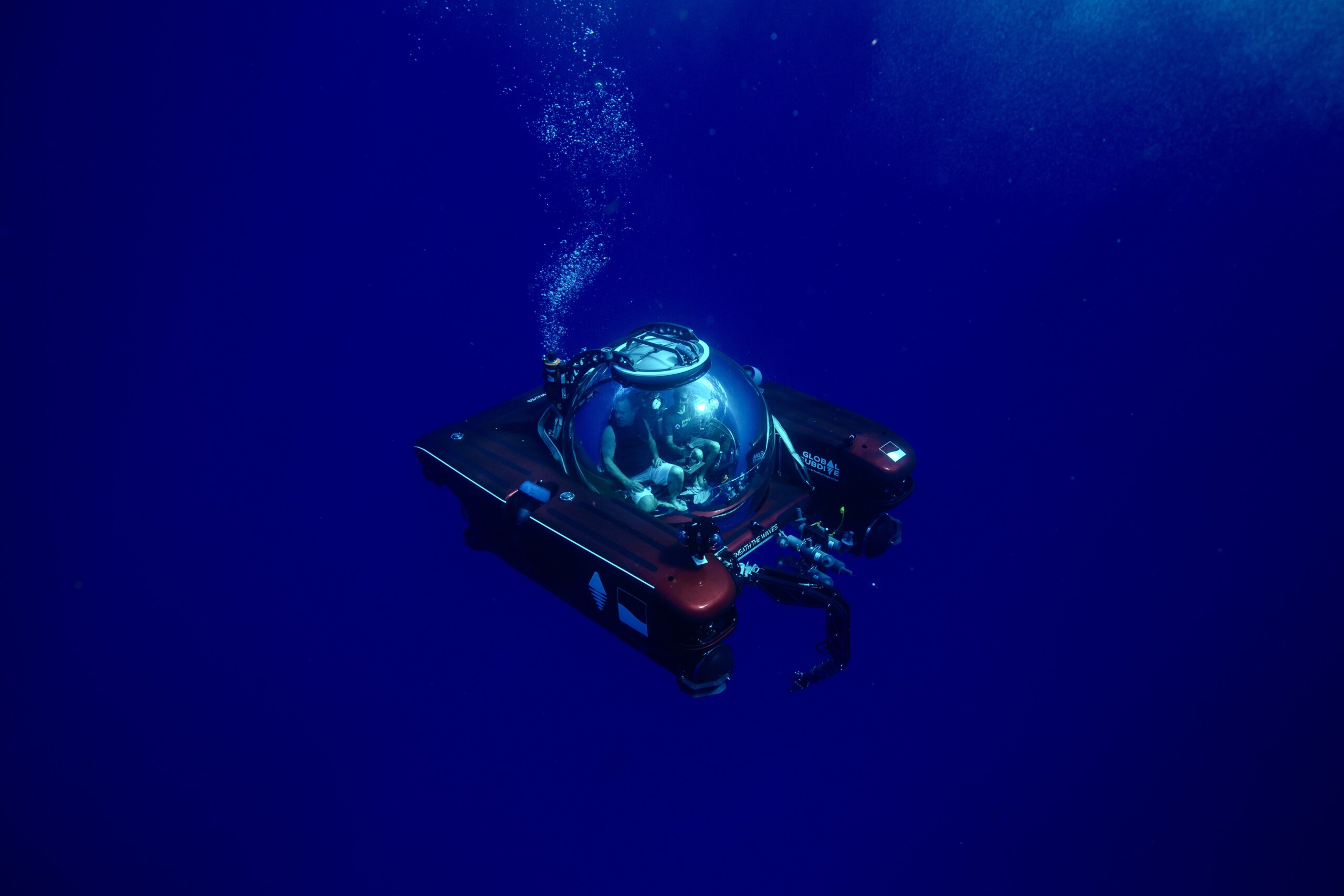
These robotic explorers can dive deeper and stay underwater longer than any human. They map the seafloor, measure water salinity, and track pollutant levels without disturbing the wildlife. This data helps us understand how currents move plastics or how deep-sea coral reefs survive in total darkness.
Satellite Tagging
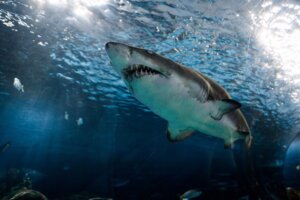
Have you ever wondered where great white sharks go in the winter? Satellite tagging allows researchers to track migration patterns of apex predators and gentle giants like sea turtles. By understanding these “blue highways,” scientists can advocate for shipping lane adjustments to prevent collisions and reduce bycatch in fishing nets.
The Vital Role of Coral Restoration
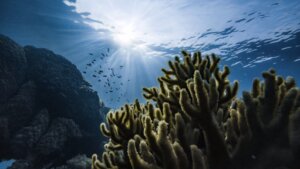
One of the most inspiring areas of marine science is coral restoration. Coral reefs are often called the rainforests of the sea, supporting 25% of all marine life despite covering less than 1% of the ocean floor.
Researchers are currently developing “super corals”strains that are naturally more resistant to heat. In labs and underwater nurseries, scientists grow these resilient fragments and transplant them onto damaged reefs. This is active, hands-on healing for the ecosystem. Beyond biodiversity, healthy reefs protect coastlines from storm surges and sustain food webs that millions of people rely on.
Coastal Sustainability and Blue Carbon
Research isn’t limited to the deep ocean; it starts right at the shoreline. Marine scientists are championing the protection of mangroves and seagrass beds, often referred to as “blue carbon” ecosystems.
Studies show that these coastal habitats trap carbon dioxide far more efficiently than terrestrial forests. Protecting a mangrove forest doesn’t just preserve a nursery for juvenile fish, it actively combats climate change. Scientific evidence also gives local communities the leverage they need to challenge coastal development projects that threaten these vital natural filters.
How You Can Support Ocean Science
You don’t need a PhD or a submarine to contribute to marine conservation. Citizen science is a growing field where everyday people help gather meaningful data.
- Participate in beach cleanups: Logging the type of trash you collect helps researchers trace pollution sources.
- Report wildlife sightings: Apps allow divers and boaters to submit observations that support population mapping.
- Support sustainable seafood: Science-based consumer guides help reduce pressure on overharvested species.
The Future Is Blue
The ocean is resilient, but it needs informed protection. Marine science provides the roadmap turning data into decisions, and research into recovery. Every coral nursery, every tagged migration route, and every protected habitat strengthens the balance between human activity and marine life.
This is where action meets purpose.
Seas Your Dreams exists to bridge science and stewardship supporting conservation efforts that restore ecosystems and empower communities connected to the sea. If you believe knowledge should lead to impact, consider contributing to initiatives that fund research, rehabilitation, and real-world change.
Give the ocean a fighting chance. Donate today and help turn discovery into protection.