Why Should We Be Putting More Funding Towards Ocean Research
The ocean covers more than 70% of our planet, produces over half the oxygen we breathe, regulates climate, and sustains billions of people with food and jobs. Despite its significance, ocean research remains underfunded and underexplored. Less than 20% of the seafloor has been mapped in detail, and vast areas of the marine world remain a mystery. Yet, decisions made about the ocean directly affect climate change, food security, natural disaster resilience, and even medical breakthroughs.
This raises an urgent question: Why should we be putting more funding towards ocean research? The answer lies in its undeniable impact on our environment, economy, health, and survival. Without prioritizing investments in marine science, we risk depleting ecosystems, worsening climate change, and missing out on discoveries that could transform humanity’s future.
This in-depth blog will explore why ocean research deserves more funding, the benefits of investing in it, the consequences of neglect, and the way forward.
The Ocean: Our Planet’s Life Support System
Before we dive into funding issues, it’s vital to understand why the ocean is so essential.
-
Climate Regulation: The ocean absorbs about 30% of human-generated CO₂ and distributes heat globally, moderating climate.
-
Oxygen Production: Marine plants, especially phytoplankton, produce more than 50% of the oxygen we breathe.
-
Food Security: Over 3 billion people rely on seafood as their primary source of protein.
-
Economic Growth: The “blue economy” (marine industries like shipping, fishing, and energy) is worth trillions of dollars.
-
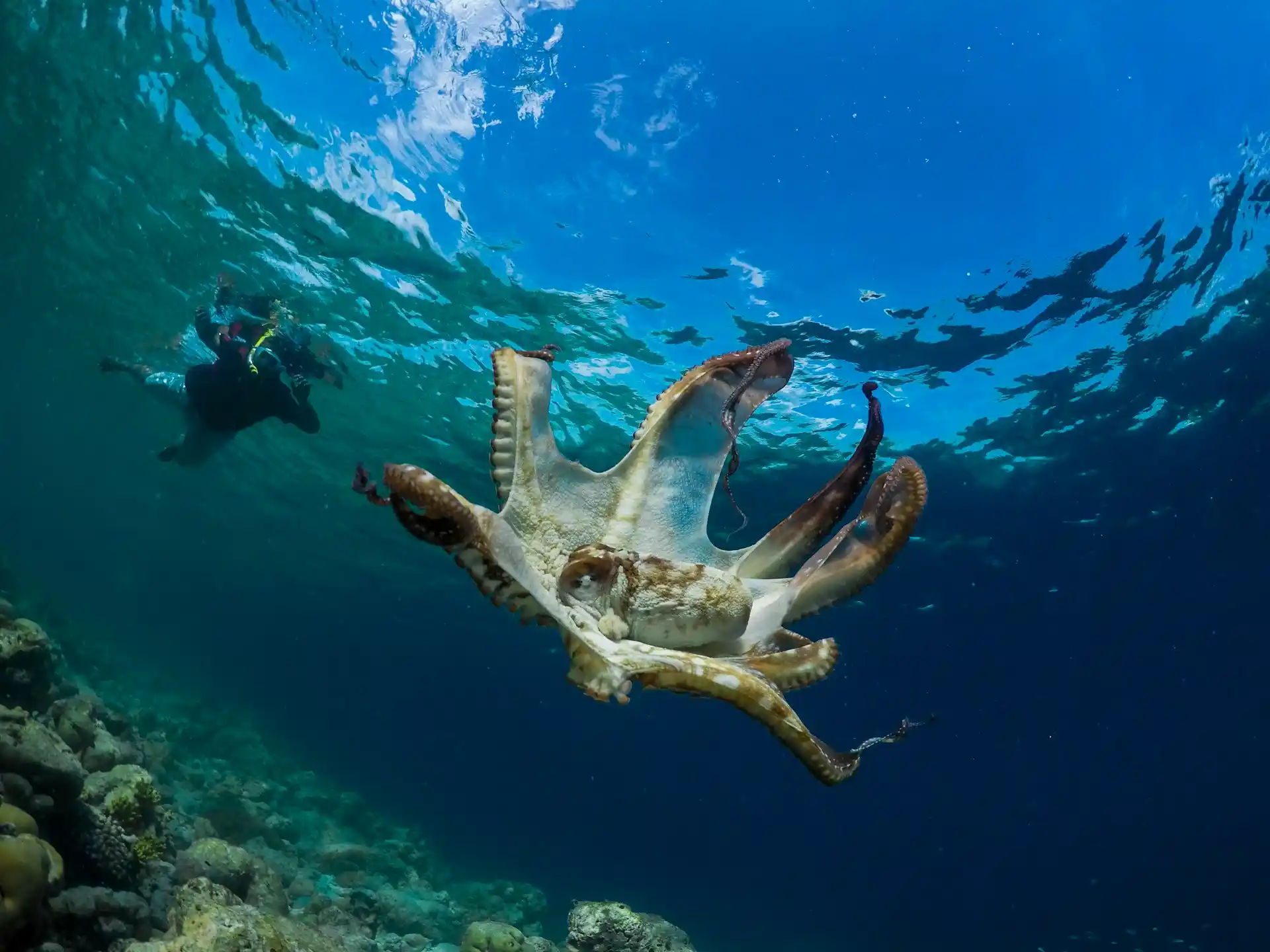
Biodiversity: The ocean is home to millions of species, most of which are undiscovered.
Yet, despite its importance, marine science receives a fraction of the funding that space exploration or medical research attracts. This funding gap is why many scientists emphasize why we should be putting more funding towards ocean research.
Why Should We Be Putting More Funding Towards Ocean Research?
1. To Combat Climate Change
The ocean is the largest carbon sink on Earth. Research helps us understand:
-
How much carbon the ocean can store.
-
The impact of ocean acidification on coral reefs and shellfish.
-
Rising sea levels and their effects on coastal communities.
Funding ocean research enables policymakers to design strategies for carbon reduction and climate resilience. Without it, climate change mitigation remains incomplete.
2. To Discover and Protect Marine Biodiversity
It’s estimated that up to 80% of marine species are still undiscovered. Funding marine expeditions allows us to:
-
Document species before they go extinct.
-
Protect endangered ecosystems.
-
Understand food webs critical for human survival.
Every year, new species with potential medical or industrial uses are discovered in the ocean. Without adequate funding, these opportunities will be lost.
3. To Secure Food for Billions
Overfishing and illegal fishing practices threaten global seafood supplies. Ocean research helps:
-
Monitor fish populations.
-
Develop sustainable aquaculture.
-
Protect ecosystems that support fisheries.
Investing in marine science ensures food security for billions and stabilizes economies dependent on fisheries.
4. To Strengthen the Blue Economy
The ocean economy is projected to reach $3 trillion by 2030. Funding research supports industries like:
-
Offshore renewable energy (tidal, wave, wind).
-
Biotechnology and pharmaceuticals.
-
Shipping and logistics.
-
Tourism and recreation.
A strong investment in research guarantees that economic growth remains sustainable and environmentally friendly.
5. To Improve Disaster Preparedness
Tsunamis, hurricanes, and rising sea levels are influenced by ocean processes. Ocean research funding improves:
-
Early-warning systems.
-
Coastal protection plans.
-
Climate resilience strategies for vulnerable nations.
Lives and billions of dollars in damages can be saved with better understanding of the ocean.
6. To Unlock Medical Discoveries
Many life-saving compounds come from marine organisms. For example:
-
Antiviral and anticancer drugs are derived from sponges and corals.
-
Enzymes from deep-sea microbes support genetic research.
Increased funding expands biomedical exploration, potentially revolutionizing healthcare.
7. To Address Ocean Pollution
Plastic pollution and chemical runoff are global crises. More funding allows us to:
-
Study the impact of microplastics.
-
Develop cleanup technologies.
-
Create sustainable alternatives to harmful materials.
This is why many environmental groups stress why we should be putting more funding towards ocean research as a way to combat pollution.
Current State of Ocean Research Funding
-
Globally, less than 5% of scientific research budgets go toward ocean studies.
-
In contrast, space programs often receive 10–20 times more funding.
-
Programs like the UN Decade of Ocean Science (2021–2030) highlight the urgent need for global cooperation.
This imbalance shows a global undervaluing of marine science. Without changing priorities, critical opportunities will be lost.
Challenges Limiting Ocean Research
-
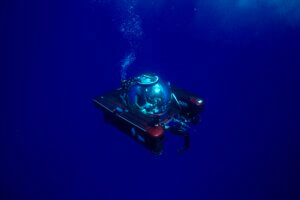
High Costs: Submersibles, ships, and ROVs require significant investment.
-
Political Will: Many governments prioritize short-term economic gains over long-term sustainability.
-
Limited Awareness: Citizens underestimate the ocean’s role in everyday life.
-
International Jurisdiction: Research in international waters requires coordination across nations.
Benefits of Increased Funding
-
Climate stability and disaster resilience.
-
Medical and technological breakthroughs.
-
Economic growth through sustainable industries.
-
Protection of biodiversity and ecosystems.
-
Ensuring a livable planet for future generations.
FAQs
Why is funding ocean research so important?
Because the ocean regulates climate, sustains biodiversity, supports economies, and ensures food and health security.
How does ocean research help fight climate change?
It provides data on carbon absorption, acidification, and sea level rise, shaping effective climate strategies.
Why is the ocean economy called the blue economy?
It refers to industries like fishing, shipping, tourism, and renewable energy that depend on healthy oceans.
What medical benefits come from ocean research?
Marine species provide compounds for treating cancer, infections, and genetic disorders.
What happens if we don’t fund ocean research?
We risk biodiversity loss, worsening climate change, food insecurity, and missed opportunities for innovation.