Ocean Pollution Facts and Statistics
The ocean is Earth’s most valuable resource providing food, oxygen, climate regulation, and even economic stability. But beneath its shimmering surface lies a growing crisis: ocean pollution. From plastic waste and oil spills to chemical runoff and noise pollution, our seas are under siege.
This comprehensive guide explores the latest ocean pollution facts and statistics, highlights the sources and impacts of marine pollution, and outlines practical solutions to help protect the blue heart of our planet.
What Is Ocean Pollution?
Ocean pollution refers to the contamination of marine ecosystems due to human activities. This includes substances like plastics, oil, heavy metals, toxic chemicals, sewage, and even sound pollution that disrupts marine life.
Ocean Pollution by the Numbers (2025 Statistics)
Let’s start with the most eye-opening facts:
| Pollution Type | Global Statistics (2025) |
|---|---|
| Plastic Waste | 12 million metric tons dumped into oceans annually |
| Marine Debris | Over 5.25 trillion plastic particles floating in the sea |
| Oil Spills | 1.3 million gallons of oil spilled per year |
| Sewage & Wastewater | 80% of marine pollution comes from land-based sources |
| Ghost Nets | 640,000 tons of fishing gear lost/dumped each year |
| Microplastics | Found in 100% of marine turtles, 59% of whales, and 36% of fish tested |
| Dead Zones | 500+ zones globally where marine life cannot survive due to pollution |
1. Plastic Pollution: The Most Visible Threat
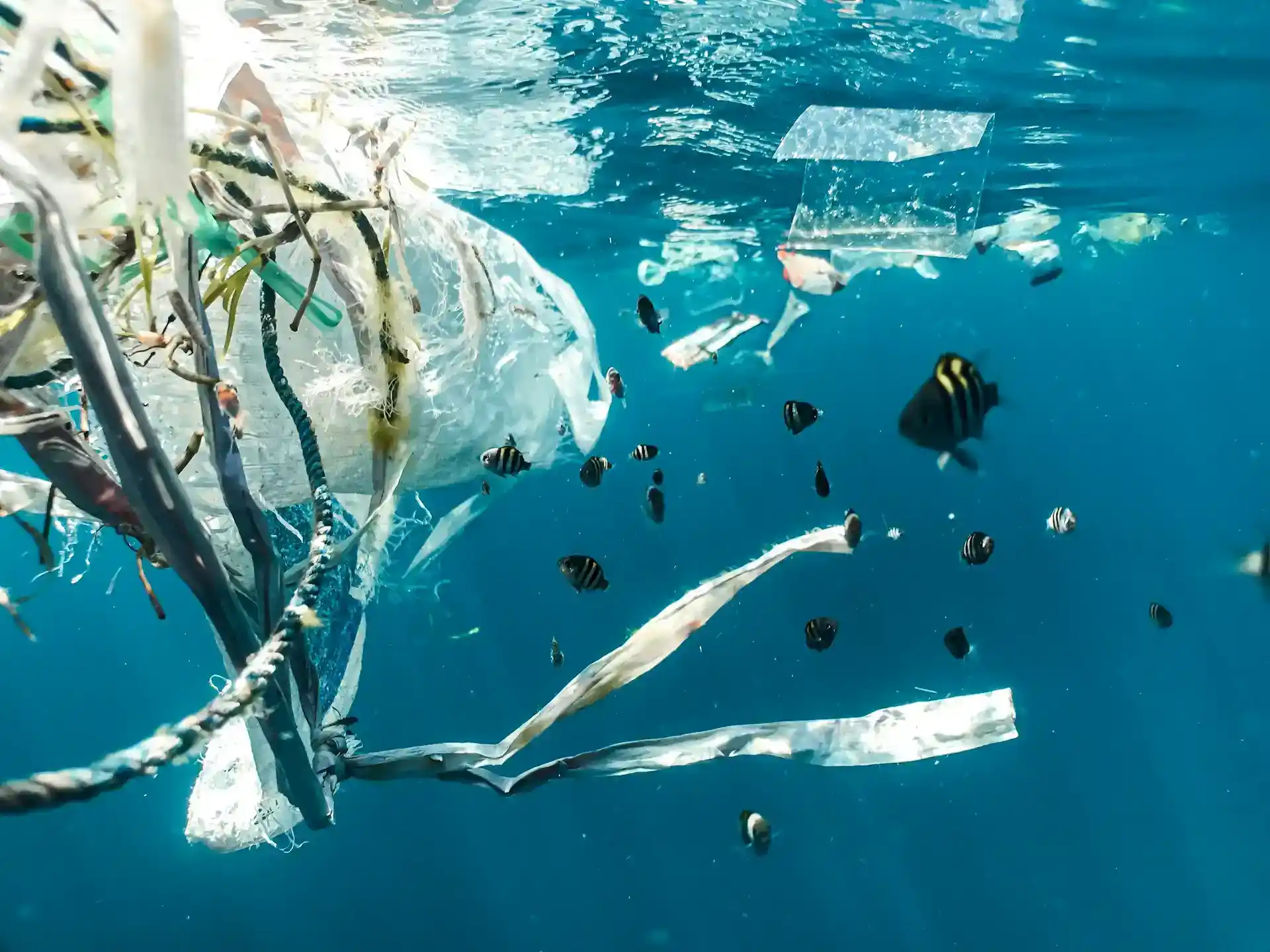
Plastic is the most prevalent type of marine debris, and its numbers are staggering.
Key Facts:
-
12 million tons of plastic enter oceans every year.
-
Plastic can take 450+ years to decompose.
-
By 2050, there may be more plastic than fish in the ocean (by weight).
-
91% of plastic isn’t recycled.
Impact:
-
Marine animals ingest or get entangled in plastic.
-
Microplastics are found in human blood and placenta.
-
Plastic pollution affects 700+ marine species.
2. Marine Life Impact: Wildlife at Risk
Pollution directly harms marine species and disrupts the ocean food web.
Key Impacts:
-
100,000 marine mammals die annually due to plastic ingestion or entanglement.
-
Sea turtles mistake plastic bags for jellyfish.
-
Polluted waters cause mass fish deaths, coral bleaching, and disease spread.
-
Pollutants bioaccumulate, affecting apex predators and humans alike.
Species Affected:
-
Sea turtles.
-
Whales and dolphins.
-
Seabirds.
-
Fish and shellfish.
-
Coral reefs.
3. Oil Pollution: Silent and Deadly
While less common than plastic, oil pollution is deadly and long-lasting.
Key Stats:
-
An average of 1.3 million gallons of oil are spilled into oceans each year.
-
One liter of oil can contaminate 1 million liters of seawater.
-
Major spills like Deepwater Horizon (2010) killed over 82,000 birds and marine mammals.
Sources:
-
Tanker accidents.
-
Pipeline leaks.
-
Offshore drilling.
-
Bilge dumping by ships.
4. Chemical and Nutrient Runoff
Agricultural runoff is one of the biggest invisible threats to marine environments.
Key Facts:
-
Excess nitrogen and phosphorus create dead zones.
-
80% of ocean pollution comes from land-based agriculture.
-
There are currently over 500 dead zones, some covering 60,000 sq miles.
Impact:
-
Algal blooms that produce toxins.
-
Oxygen depletion kills fish and bottom-dwelling species.
-
Damages coral reefs and estuaries.
5. Sewage, Pharmaceuticals, and Household Waste
Unregulated waste treatment leads to contamination of coastal waters.
Alarming Facts:
-
More than 80% of wastewater is released into oceans untreated.
-
Antibiotics and hormones found in marine animals.
-
Pathogens in human waste cause illness in swimmers and seafood consumers.
Global Hotspots:
-
Developing nations without infrastructure.
-
Heavily populated coastlines.
-
Tourist destinations with outdated treatment plants.
6. Ghost Fishing Gear and Marine Debris
Discarded fishing equipment also known as ghost nets continues killing marine life long after it’s lost.
Key Statistics:
-
640,000 tons of fishing gear lost or dumped into the ocean every year.
-
Accounts for 10% of all marine debris.
-
Traps fish, turtles, whales, and even divers.
Key Types:
-
Nets and lines.
-
Crab pots and traps.
-
Synthetic ropes.
7. Ocean Noise Pollution
Less visible but equally harmful, noise pollution disrupts marine communication and navigation.
Key Facts:
-
Ship engines, sonar, and oil drilling create constant low-frequency noise.
-
Interferes with whales’ and dolphins’ echolocation.
-
Linked to mass strandings and behavioral changes in marine life.
Global Trends:
-
Arctic regions, once quiet, now face noise from increased shipping.
-
Sound travels 5x faster in water than in air, making it more disruptive.
8. Climate Change and Ocean Pollution
Climate change and pollution often go hand in hand, compounding each other’s effects.
How They Interact:
-
Warmer waters amplify algal blooms.
-
Ocean acidification (from CO₂) weakens coral and shellfish.
-
Ice melting releases trapped pollutants like mercury and PCBs.
Climate-Pollution Nexus:
-
Ocean heatwaves increase disease.
-
Rising seas worsen sewage overflow.
-
Carbon pollution causes long-term marine stress.
9. Human Health Risks from Ocean Pollution
Polluted oceans don’t just hurt fish they also impact human well-being.
Health Hazards:
-
Seafood contaminated with microplastics, mercury, and pathogens.
-
Waterborne illnesses from swimming in polluted coastal waters.
-
Inhalation of toxic sea spray linked to respiratory problems.
High-Risk Populations:
-
Coastal communities.
-
Commercial fishermen.
-
Seafood consumers.
-
Recreational swimmers and divers.
10. Solutions: What Can Be Done?
Despite the grim statistics, solutions are within reach.
Individual Actions:
-
Reduce single-use plastics.
-
Support ocean-friendly brands.
-
Dispose of waste properly.
-
Choose sustainable seafood.
Policy & Innovation:
-
Strengthen marine protection laws.
-
Expand Marine Protected Areas (MPAs).
-
Invest in clean ocean technologies.
-
Promote green infrastructure to manage runoff.
Global Initiatives:
-
UN Clean Seas Campaign.
-
Global Ghost Gear Initiative.
-
Ocean Cleanup Project.
Trends to Watch in 2025 and Beyond
Innovation:
-
AI and drones for detecting marine litter.
-
Biodegradable packaging replacing plastics.
-
Blue carbon markets to offset pollution.
Policy Shifts:
-
Stricter regulations on plastic export/import.
-
Global treaties targeting ocean dumping.
-
Country-specific bans on microbeads and polystyrene.
Public Awareness:
-
Documentaries like Seaspiracy and A Plastic Ocean.
-
Ocean literacy programs in schools.
-
Coastal communities driving grassroots change.
Time to Turn the Tide
The ocean pollution facts and statistics outlined above reveal a crisis that affects every living being on Earth. But there is hope. The combined power of science, innovation, policy, and public action can reverse the damage.
We are not separate from the ocean. It gives us food, air, climate balance, and beauty. Protecting it is not just an environmental responsibility it’s a human necessity.
The time to act is now. Every small change counts.
FAQs
What is the biggest source of ocean pollution?
Land-based activities, including plastic waste, agricultural runoff, and sewage, account for over 80% of marine pollution.
How many marine animals die from pollution each year?
An estimated 100,000 marine mammals and 1 million seabirds die annually due to plastic ingestion and entanglement.
How does ocean pollution affect humans?
Polluted oceans lead to contaminated seafood, waterborne illnesses, respiratory issues from toxic sea spray, and lost livelihoods.
What are dead zones in the ocean?
Dead zones are areas with very low oxygen levels caused by pollution, where marine life cannot survive. There are over 500 such zones globally.
Can ocean pollution be reversed?
Yes, with collective action. Cleanup technologies, sustainable waste management, policy reform, and public awareness can significantly reduce pollution.