How Do Underwater Gliders Help in Ocean Research?
The ocean is vast, deep, and largely unexplored. Despite covering over 70% of Earth’s surface, much of the marine world remains a mystery. But thanks to technological advancements, we are now closer than ever to uncovering its secrets. One of the most revolutionary tools enabling this progress is the underwater glider. These autonomous vehicles are transforming how scientists monitor and understand marine environments. So, how do underwater gliders help in ocean research, and why are they so vital to the future of marine science?
Let’s dive in.
What Are Underwater Gliders?
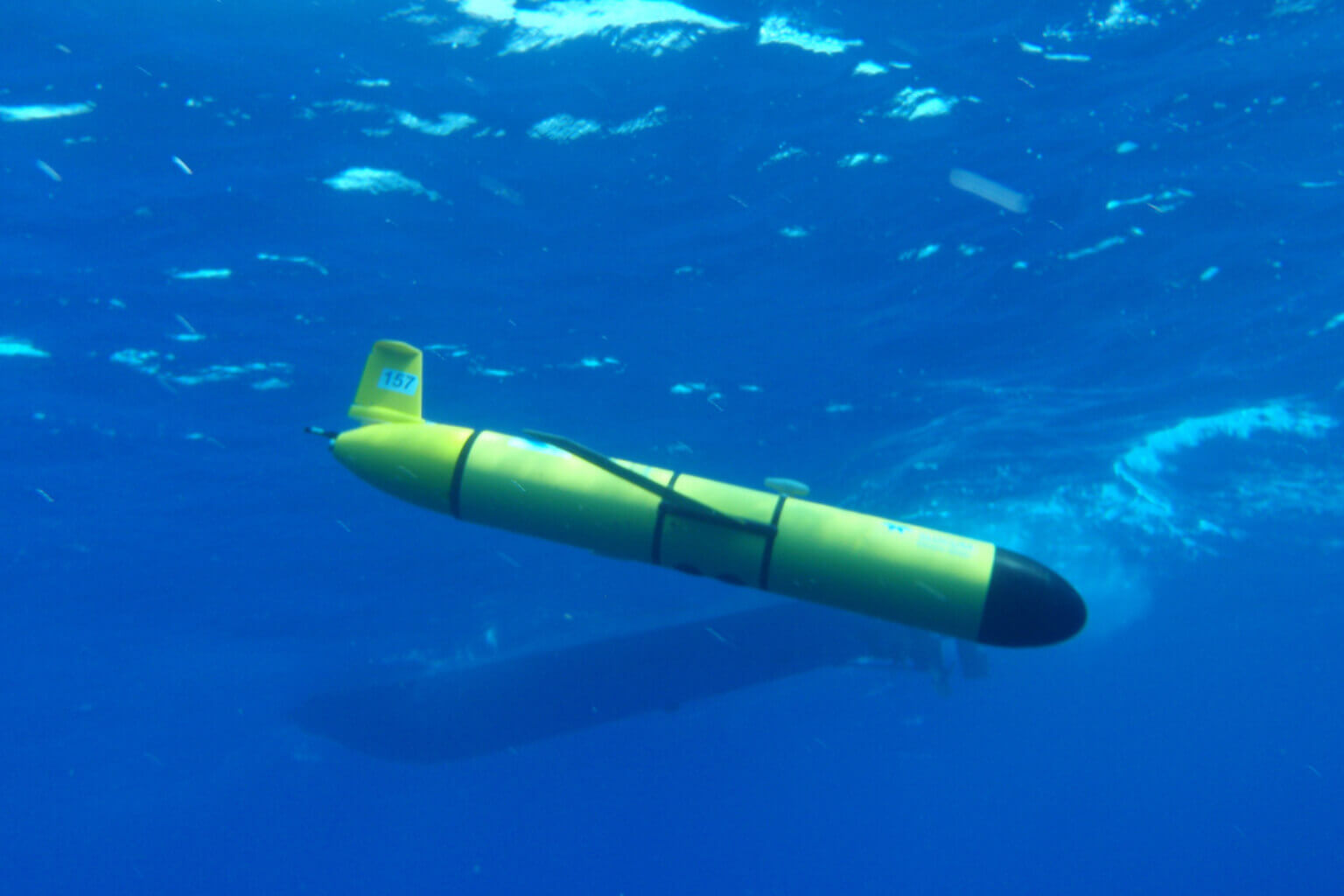
Underwater gliders are a type of autonomous underwater vehicle (AUV) designed to collect oceanographic data without the need for ships or human intervention. Unlike traditional AUVs that rely on propellers, gliders move by adjusting their buoyancy. This allows them to glide through the water in a saw-tooth pattern descending and ascending slowly over long distances.
Because they consume very little energy, these gliders can operate for months at a time, covering thousands of kilometers while gathering crucial environmental data.
How Do Underwater Gliders Work?
Underwater gliders move by changing their density. This is achieved using internal components like:
-
Pumps and oil bladders that control buoyancy
-
Movable batteries or internal weights that shift to adjust pitch and roll
-
Wings that allow gliders to move forward as they ascend or descend
Gliders do not use propellers, which saves energy and makes them ideal for long-term deployments. They periodically surface to transmit data via satellite and receive new instructions from researchers.
Key Features of Underwater Gliders
Before understanding how underwater gliders help in ocean research, it’s essential to grasp their unique capabilities:
-
Long endurance (weeks to months)
-
Wide range (can travel thousands of kilometers)
-
Low power consumption
-
Real-time data transmission via satellite
-
Able to operate in remote and extreme environments
These qualities make them invaluable tools for sustained and remote ocean monitoring.
What Kind of Data Do Underwater Gliders Collect?
Underwater gliders carry a variety of sensors to measure physical, chemical, and biological properties of the ocean, such as:
-
Temperature
-
Salinity
-
Pressure (depth)
-
Dissolved oxygen
-
Chlorophyll concentration
-
Turbidity (water clarity)
-
Ocean currents
-
pH levels
Some advanced gliders are even equipped with acoustic sensors or microbial samplers, enabling more specialized research such as whale tracking or pathogen detection.
How Do Underwater Gliders Help in Ocean Research?
Now let’s break down exactly how underwater gliders help in ocean research, with real-world applications and examples.
1. Climate Change Monitoring
Understanding climate change requires extensive data from across the world’s oceans. Underwater gliders provide critical long-term data on temperature, salinity, and current patterns, which are key indicators of climate trends.
For example, gliders have been deployed in the Arctic and Antarctic regions to monitor melting ice caps and shifting currents areas that are dangerous and expensive for human-led expeditions.
2. Hurricane Prediction and Monitoring
Before hurricanes make landfall, they often gain strength by feeding on warm ocean waters. Gliders can monitor subsurface ocean temperatures, helping meteorologists better predict storm intensity and trajectory.
During the 2020 hurricane season, gliders deployed in the Gulf of Mexico helped forecasters anticipate the strength of Hurricane Laura by measuring water heat content more accurately than satellite data alone.
3. Marine Ecosystem Health
By measuring parameters like dissolved oxygen, chlorophyll, and turbidity, gliders help researchers monitor marine biodiversity, detect harmful algal blooms, and assess overall ocean health.
In Florida’s coastal waters, gliders have been used to track red tide events, which are harmful to marine life and can impact tourism and fisheries.
4. Ocean Circulation and Current Mapping
Gliders are excellent tools for mapping deep ocean currents and internal waves, which are difficult to track with surface-based instruments. Understanding ocean circulation helps scientists study:
-
Nutrient transport
-
Carbon cycling
-
Global heat distribution
Gliders have significantly contributed to the Global Ocean Observing System (GOOS), enhancing our knowledge of ocean dynamics on a planetary scale.
5. Fisheries and Aquaculture Management
Underwater gliders assist in managing fish stocks by monitoring environmental conditions that affect fish behavior and distribution. They provide essential insights for sustainable fishing practices and aquaculture site planning.
In regions like the North Atlantic, gliders help track fish migrations and population densities, allowing governments to establish more informed fishing quotas.
6. Pollution Detection
Gliders are used to detect pollutants such as oil, chemicals, or microplastics. They can be rapidly deployed after oil spills or industrial accidents to monitor the spread and impact of contaminants.
After the Deepwater Horizon oil spill, gliders played a key role in tracking the underwater plume and understanding its effects on marine life.
Advantages of Using Underwater Gliders
Let’s recap the core benefits of using gliders in ocean research:
-
Cost-effective: Require less manpower and vessel time
-
Scalable: Can be deployed in fleets for large-scale studies
-
Autonomous: Operate with minimal human oversight
-
Eco-friendly: Quiet and non-invasive to marine life
-
Safe: Ideal for extreme or dangerous environments
Challenges and Limitations
Despite their many benefits, gliders also face certain challenges:
-
Limited payload capacity – Can only carry a certain number of sensors
-
Slow speed – Not suitable for rapid-response missions
-
Maintenance needs – Must be retrieved periodically for servicing
-
Communication lag – Limited real-time control due to satellite dependency
Still, ongoing innovation is helping to overcome many of these limitations.
Real-World Projects Using Underwater Gliders
1. The Challenger Glider Mission
Named after the historic HMS Challenger expedition, this initiative uses gliders to collect long-term data across the Atlantic, Pacific, and Indian Oceans.
2. Integrated Ocean Observing System (IOOS)
In the U.S., IOOS uses a national network of gliders to support ocean research, weather prediction, and marine operations.
3. Argo Float Network Expansion
Though not gliders in the strictest sense, Argo floats are similar autonomous systems used to complement glider missions worldwide.
Future of Underwater Gliders in Ocean Research
As technology continues to advance, the future of underwater gliders looks incredibly promising. Some future developments include:
-
AI-powered navigation for smarter route planning
-
Swarm glider technology for large-scale collaborative missions
-
Deeper dives: some prototypes aim to reach depths of 6,000 meters
-
Bio-sensors to track marine organisms in real time
-
Renewable energy integration like solar-assisted recharging
The ability to collect real-time, high-resolution data at scale will make underwater gliders a cornerstone of global ocean monitoring efforts.
So, how do underwater gliders help in ocean research? The answer is clear—they are transforming our ability to study and protect the marine environment. From monitoring climate change and tracking hurricanes to managing fisheries and detecting pollution, underwater gliders are making ocean science more efficient, accurate, and accessible than ever before.
As we continue to face environmental challenges like rising sea levels, warming oceans, and biodiversity loss, the role of underwater gliders will only grow in importance. Their ability to operate in remote, deep, and dangerous waters makes them an indispensable tool in our mission to understand and save the world’s oceans.
FAQs
What is an underwater glider used for in ocean research?
Underwater gliders are used to collect long-term, real-time data on ocean conditions such as temperature, salinity, oxygen levels, and currents to support climate studies, marine ecosystem monitoring, and pollution tracking.
How do underwater gliders move without propellers?
Instead of propellers, gliders adjust their buoyancy using internal pumps and movable weights, allowing them to glide up and down through the water in a slow, energy-efficient manner.
What kind of data do underwater gliders collect?
Underwater gliders gather data on water temperature, salinity, pressure, oxygen levels, chlorophyll concentration, turbidity, and ocean currents—key variables for understanding marine environments.
How long can underwater gliders operate?
Thanks to their low energy consumption, underwater gliders can operate autonomously for several weeks to months, traveling thousands of kilometers before needing to be retrieved.
Why are underwater gliders important for climate change research?
Underwater gliders help scientists track changes in ocean temperature, salinity, and current flow, which are critical indicators of climate change. This data improves weather forecasting and global climate models.