How Overfishing Is Depleting the Ocean’s Natural Balance
The ocean covers over 70% of our planet and supports an intricate web of marine life, global climate systems, and human economies. But there’s a growing crisis that’s tipping this delicate system off balance: the unsustainable harvesting of fish.
This practice involves removing marine species from their habitats faster than they can reproduce. It’s drastically reducing biodiversity, disturbing underwater ecosystems, and endangering the livelihoods of millions who depend on healthy seas.
As global seafood demand increases and fishing technologies advance, marine life faces mounting pressure. Without immediate intervention and adoption of responsible harvesting methods, the ocean’s equilibrium may collapse — with consequences for everyone on Earth.
What Is Overfishing and Why Is It a Threat to Marine Life?
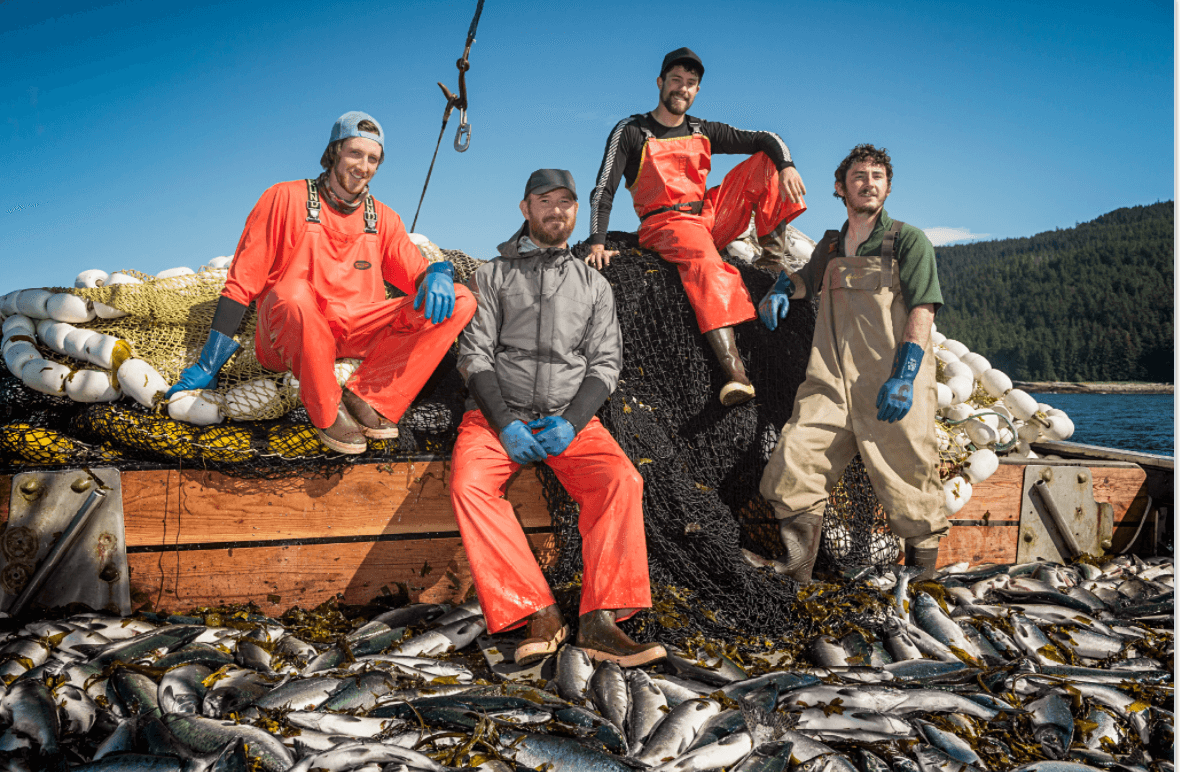
Overfishing occurs when more fish are caught than the ocean can naturally replace. This unsustainable practice targets commercial species like tuna, cod, salmon, and snapper — but also harms non-target marine species through bycatch.
Major Threats from Overfishing:
- Loss of Marine Species: Key species are fished to extinction or near-collapse.
- Imbalanced Ecosystems: Removing predators like sharks or large fish causes prey populations to explode or decline unnaturally.
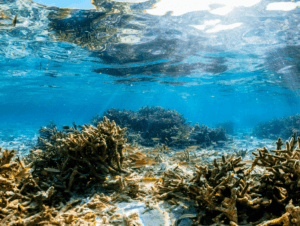
- Habitat Destruction: Bottom trawling and unregulated methods damage coral reefs and marine habitats.
- Food Chain Collapse: The loss of one species can trigger a marine food web breakdown.
How Overfishing Affects the Ocean Ecosystem
The consequences of overfishing extend far beyond the disappearance of your favorite seafood.
- Coral Reef Disruption: Coral reefs rely on balanced fish populations. When herbivorous fish are overharvested, algae overgrowth smothers reefs.
- Jellyfish Blooms: In some regions, overfishing reduces natural predators of jellyfish, resulting in invasive blooms that choke the ecosystem.
- Dead Zones: Overfishing of filter feeders like oysters can reduce natural water purification, contributing to oxygen-depleted zones.
The ecosystem imbalance caused by overfishing threatens the ocean’s ability to regulate climate, protect coastlines, and provide food and income for millions of people.
Why Sustainable Fishing Practices Are the Solution
Sustainable fishing practices aim to protect marine life while supporting responsible harvesting of seafood. These practices ensure that current generations can benefit from the ocean without compromising the needs of future ones.
Common Sustainable Methods:
- Catch Limits: Based on scientific data to avoid overexploitation.
- Seasonal Restrictions: Allow fish populations to reproduce.
- Selective Gear: Reduces bycatch of dolphins, turtles, and endangered species.
- Marine Protected Areas (MPAs): Safe zones where fishing is restricted or prohibited.
- Certified Labels: Like Marine Stewardship Council (MSC), which identifies responsibly sourced seafood.
Implementing these measures helps restore balance to the ocean ecosystem, protect endangered species, and preserve the livelihoods of coastal communities.
Why Is Sustainable Fishing Important for the Future of Our Planet?
- Preserves Marine Biodiversity
Protects thousands of fish species, corals, marine mammals, and crustaceans from extinction. - Supports Global Food Security
More than 3 billion people rely on seafood as their main source of protein. Sustainable fishing keeps this supply viable. - Protects Economies & Jobs
Over 60 million people work in fisheries and aquaculture. Collapsed fisheries lead to unemployment, poverty, and food shortages. - Maintains Ocean Health
A healthy ocean helps regulate Earth’s temperature and absorb carbon dioxide — both crucial in the fight against climate change.
Real-World Impact: Overfishing Hotspots
Regions where overfishing is most critical include:
- The South China Sea: Intense competition and weak enforcement.
- The Mediterranean Sea: Over 90% of fish stocks are overexploited.
- West Africa: Illegal fishing by industrial fleets devastates local communities.
These regions demonstrate the urgent need for global cooperation and responsible fishing policies.
How Can We Restore Balance to the Ocean?
Every individual, business, and government has a role to play.
What You Can Do:
- Choose sustainably sourced seafood
- Avoid eating endangered species
- Support marine conservation efforts
- Reduce seafood waste
- Educate others about ocean sustainability
Collective efforts can rebuild ocean life within our lifetime. Science-based management and sustainable fisheries are already proving successful in regions like Alaska and New Zealand.
FAQs
What is overfishing and why is it a threat to marine life?
Overfishing occurs when fish are caught faster than they can reproduce, leading to depleted populations. This threatens marine life by disrupting the food chain, causing species decline, and damaging delicate ocean ecosystems. Without managing overfishing, the ocean’s natural balance and biodiversity collapse.
How does overfishing harm the ocean ecosystem?
Overfishing disturbs the balance of marine ecosystems by removing key species from the food web. This can cause a domino effect where predators or prey vanish, coral reefs deteriorate, and marine biodiversity shrinks. Healthy oceans rely on a balanced, thriving food chain.
How does overfishing affect the ecosystem?
Ecosystems affected by overfishing often experience imbalances such as jellyfish blooms, seagrass degradation, and the disappearance of apex predators. It weakens the ocean’s ability to provide essential services like food, climate regulation, and coastal protection.
Why is sustainable fishing important for the ocean?
Sustainable fishing ensures that fish populations remain healthy for the long term. It protects marine habitats, prevents species extinction, and maintains ocean biodiversity. This approach supports both ocean health and future human food security.
What are sustainable fishing practices?
Sustainable fishing practices include using selective gear to avoid bycatch, setting catch limits, following seasonal closures, and protecting breeding grounds. These techniques help preserve marine populations and promote responsible harvesting of seafood.
How can sustainable fishing be implemented?
Sustainable fishing can be implemented through:
- Enforcing fishing quotas
- Creating marine protected areas
- Using eco-friendly fishing gear
- Educating fishers and consumers about sustainability
- Supporting certified sustainable seafood labels like MSC
- Governments, industries, and individuals must all collaborate for effective results.
What is the long-term impact of overfishing on humans?
Overfishing not only destroys ecosystems but also threatens global food supplies, economic livelihoods, and coastal communities that rely on fishing. If left unchecked, it can lead to fishery collapse, rising seafood prices, and hunger in vulnerable regions.
Who regulates overfishing and promotes sustainable fisheries?
Organizations such as the FAO (Food and Agriculture Organization), Marine Stewardship Council (MSC), and national governments create and enforce laws to regulate overfishing. NGOs and marine conservation groups also play a vital role in promoting sustainable fisheries worldwide.
Where is overfishing most common?
Overfishing hotspots include the South China Sea, Northwest Atlantic, and West African coast, where weak regulations and illegal fishing are widespread. Many of these regions face high biodiversity loss and need immediate conservation efforts.
What can individuals do to stop overfishing?
Individuals can make a difference by:
- Choosing sustainably sourced seafood
- Avoiding endangered fish species
- Supporting responsible fisheries
- Reducing seafood waste
- Advocating for stronger marine policies
- Small actions lead to big changes when done collectively.
How does sustainable fishing protect endangered marine species?
By using selective gear and reducing bycatch, sustainable fishing prevents the accidental capture of endangered species like sea turtles, dolphins, and sharks. It also protects habitats like coral reefs and seabeds from damage caused by destructive practices.
Why does overfishing reduce biodiversity?
Overfishing reduces biodiversity by wiping out key species that play essential roles in marine food webs. The loss of even one species can affect dozens of others, leading to ecosystem collapse and making the ocean less resilient to climate change.