Top 10 Reasons Why Ocean Conservation Is Vital
The ocean is the heartbeat of our planet. Covering more than 70% of Earth’s surface, it plays a critical role in regulating climate, supporting biodiversity, and sustaining life. Yet, it faces threats from pollution, overfishing, and climate change. This blog highlights the top 10 reasons why ocean conservation is vital, providing clear, actionable insights into why preserving marine
1. The Ocean Provides Over 50% of the Oxygen We Breathe
It may surprise many, but phytoplankton, tiny plant-like organisms in the ocean, generate more than half of the Earth’s oxygen. Just like terrestrial plants, they use photosynthesis. Ocean conservation ensures that these microscopic lifeforms continue to thrive, supporting the air we breathe.
2. Regulating the Earth’s Climate
Why is the ocean important to humans? One major reason is its role as a climate regulator. The ocean absorbs about 90% of the Earth’s excess heat and around 30% of carbon dioxide emissions caused by human activities. Healthy oceans help mitigate climate change by buffering its effects.
3. Supporting Marine Biodiversity
From seagrass meadows to coral reefs, oceans are home to millions of species. Seagrass, in particular, is a critical marine habitat that supports fish nurseries and stores large amounts of carbon. Conserving marine ecosystems protects this vast biodiversity that we depend on for food and ecological balance.
4. Source of Medicines and Medical Discoveries
The ocean is a treasure trove of biomedical resources. Marine organisms have led to the development of drugs to treat cancer, inflammation, and bacterial infections. Protecting ocean ecosystems increases the chance of discovering new life-saving treatments.
5. Sustaining the Global Food Supply
Ocean conservation is directly linked to sustainable fishing. Millions rely on seafood as their primary source of protein. Overfishing, however, has pushed many species to the brink of extinction. Marine conservation strategies like creating marine protected areas can help restore fish populations.
6. Boosting the Global Economy
Marine and coastal industries contribute over $2.5 trillion annually to the global economy through fisheries, tourism, and transportation. A healthy ocean boosts economic resilience and provides millions of jobs worldwide.
7. Combating Ocean Pollution
Plastic waste, oil spills, and chemical runoff are major threats. Ocean pollution harms marine life, enters the food chain, and damages ecosystems. Ocean conservation initiatives such as beach clean-ups and reducing plastic usage are essential in reversing the damage.
8. Protecting Endangered Marine Life
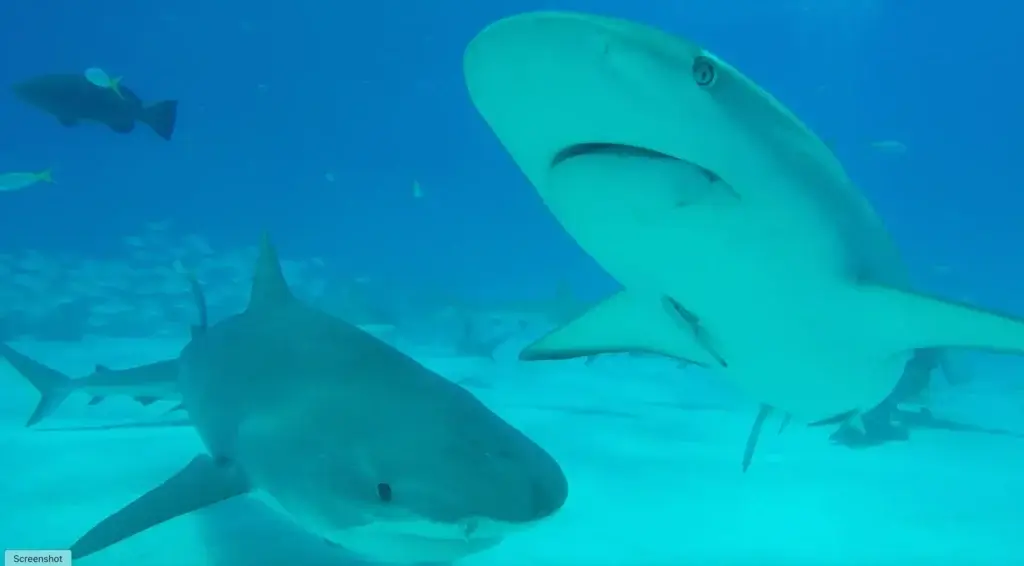
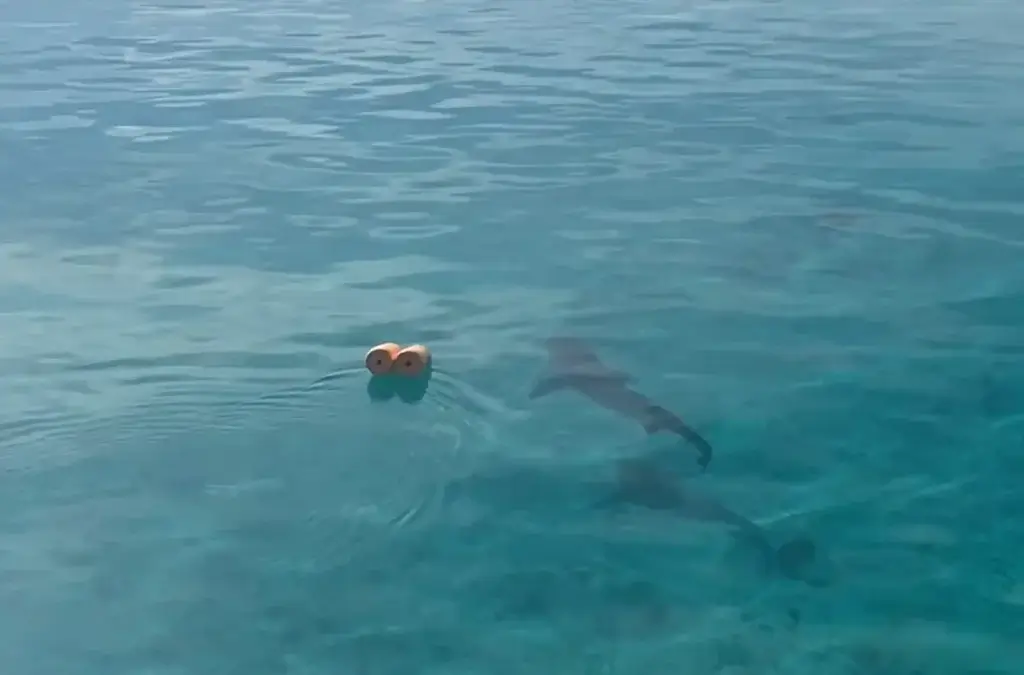
Species like sea turtles, whales, and corals are critically endangered due to habitat destruction and human activities. Through marine life protection laws and habitat restoration, we can prevent their extinction.
9. Maintaining Genetic Diversity
Oceans are reservoirs of genetic resources. Genetic diversity among marine species is essential for ecosystem resilience and adaptation to environmental changes. Preserving this genetic pool ensures long-term survival of marine ecosystems.
10. Enhancing Human Well-being and Recreation
Beaches, marine parks, and oceans offer mental health benefits, recreation, and tourism opportunities. Protecting the blue planet allows future generations to experience the same natural beauty and inspiration that the ocean provides today.
Why Is Ocean Conservation Urgent?
- 50% of coral reefs have been lost in the past 30 years.
- Marine pollution is projected to double by 2030.
- Over 100 million marine animals die each year from plastic waste.
The urgency of ocean conservation cannot be overstated. Every action we take today shapes the health of tomorrow’s oceans.
FAQs
Why is the ocean important to humans?
The ocean is vital to humans because it provides over 50% of the oxygen we breathe, regulates the Earth’s climate, supports the global food supply through seafood, and fuels the economy via tourism, transport, and fisheries. Without ocean conservation, these life-sustaining benefits are at risk.
Why should we care about the ocean?
Limited funding, lack of access to field research opportunities, high education costs, and the need for mentorship are major barriers for aspiring marine scientists.
Why is coral reef restoration crucial?
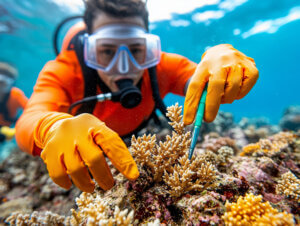
Coral reefs are home to 25% of marine species, even though they occupy less than 1% of the ocean floor. Coral reef restoration helps preserve marine biodiversity, supports fisheries, protects coastlines from erosion, and sustains millions of livelihoods globally.
Why is seagrass important for marine biodiversity?
They conduct research, develop conservation strategies, advocate for sustainable policies, and contribute to restoring marine ecosystems through hands-on initiatives.
Why is ocean conservation essential to combating climate change?
The ocean absorbs about 30% of human-made CO₂ and 90% of excess heat from the atmosphere. Without healthy marine ecosystems, the ocean’s ability to regulate climate diminishes, leading to more severe global warming and natural disasters.
How does ocean conservation support sustainable fishing?
Ocean conservation helps replenish overfished areas by implementing marine protected zones, reducing illegal fishing, and encouraging responsible harvesting methods. This ensures fish populations can regenerate, supporting long-term food security and economic stability.
What role does the ocean play in regulating the climate?
The ocean acts like a global heat sink. It stores vast amounts of solar energy and distributes it across the globe through currents. Ocean conservation maintains this balance, helping reduce the intensity of climate-related events like hurricanes and heatwaves.
Who is responsible for ocean conservation?
Everyone—from governments and organizations to individuals—has a role in protecting the ocean. Legislation, sustainable business practices, consumer awareness, and everyday choices like reducing plastic use all contribute to ocean health.
Where are the most threatened marine ecosystems located?
Critical ecosystems like the Great Barrier Reef, Coral Triangle, and Arctic waters face severe threats due to pollution, warming temperatures, and overfishing. Focused conservation in these regions is urgent.
What happens if we ignore ocean conservation?
Neglecting ocean conservation can lead to food shortages, climate instability, increased natural disasters, and the extinction of marine species. The ripple effect would impact the global economy, human health, and biodiversity.
How can individuals contribute to ocean conservation?
You can support ocean conservation by:
- Reducing plastic consumption
- Choosing sustainable seafood
- Supporting marine charities
- Participating in beach clean-ups
- Educating others about the importance of the ocean
What is marine life protection, and why does it matter?
Marine life protection involves safeguarding endangered species and habitats from pollution, climate change, and overfishing. It’s essential to maintain biodiversity, preserve ecological balance, and ensure the survival of countless marine species.
Why is the ocean referred to as the “blue planet”?
The Earth is called the blue planet because over 70% of its surface is covered by oceans. These waters are fundamental to life, weather patterns, and oxygen production. Protecting the blue planet means securing a livable future.